
Malnad Ultra, Karnataka, 50 km, 22.11.2025
Please note that this report is written from the perspective of a foreign runner visiting India.
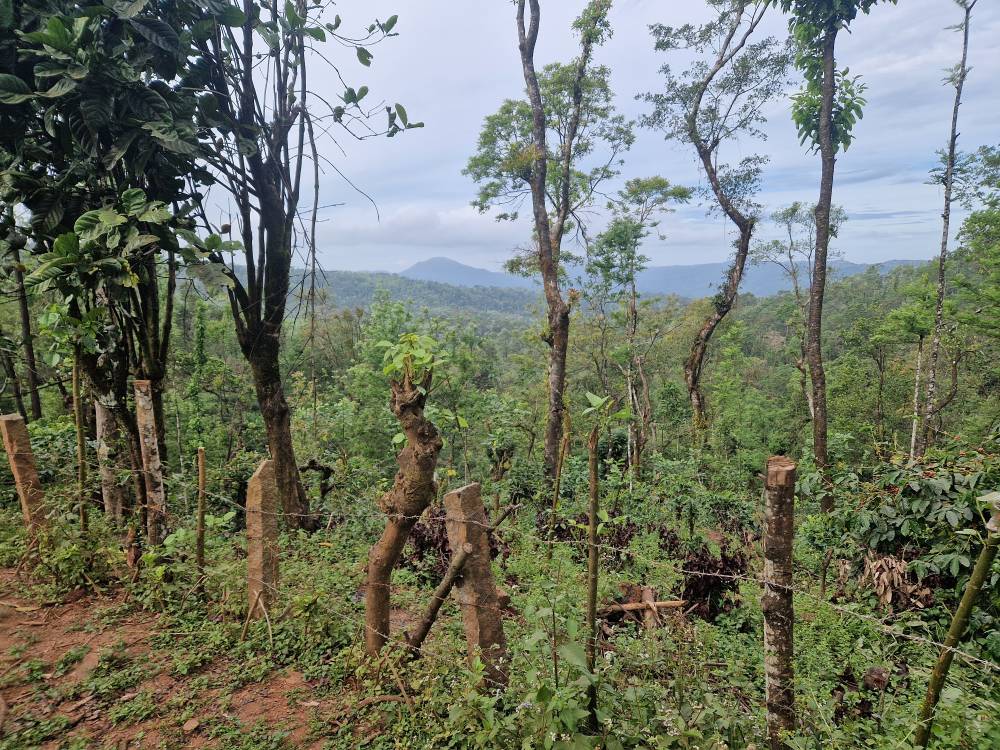
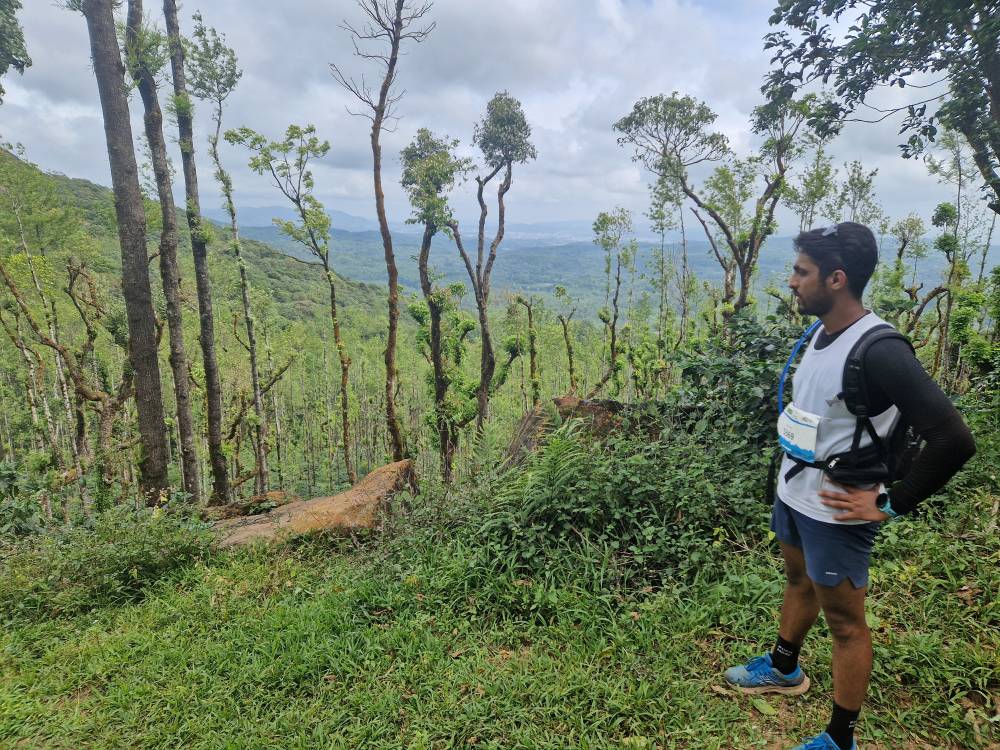
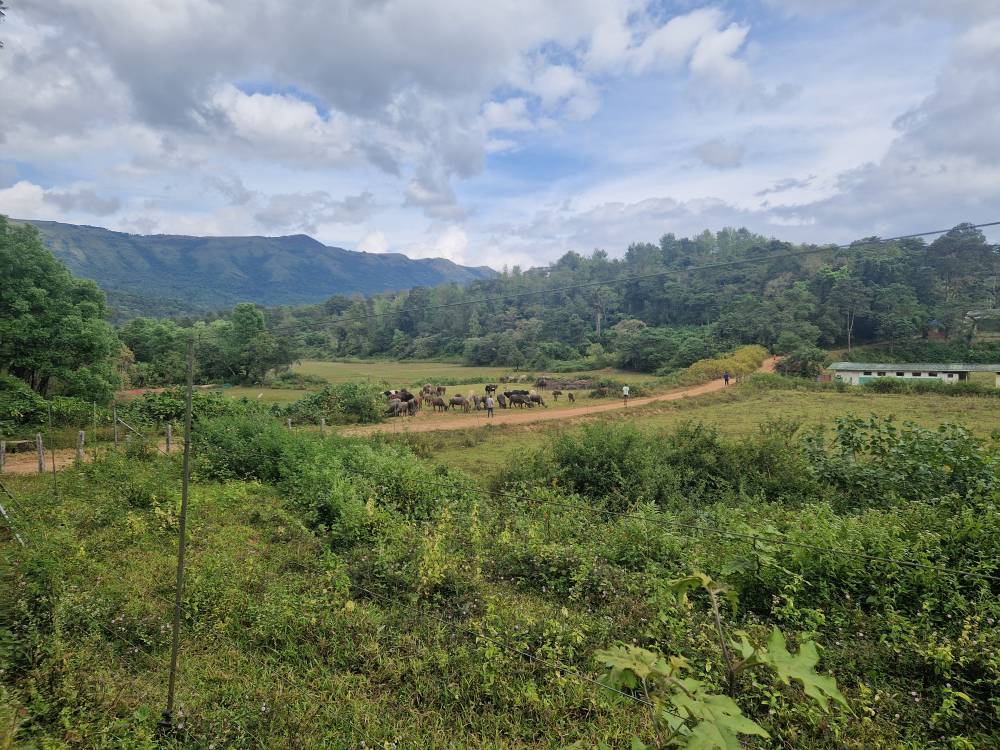
Following a few privately organised marathons, November once again had something very special in store: a business trip to India centred around the weekend on which India’s biggest trail run, the Malnad Ultra, takes place. Whilst the runs in the Himalayas offer spectacular gradients, altitudes and views, southern India is home to the Deccan Plateau, which has a distinctly more tropical and idyllic feel, bordered by the Western Ghats. Right in the middle lies the Bhadra Wildlife Sanctuary, home to tigers, elephants and buffalo (gaur); surrounding it, behind a fence, are above all spectacular forests and coffee plantations – the area is very water-rich and, as a result, coloured in a a deep green. It is precisely there that the Malnad Ultra is taking place for the ninth time. Which trail runner could resist signing up?
This year, the Malnad Ultra attracted 1,300 entries, spread across distances of 30 km, 50 km and 100 km, with the 100 km route involving two laps of the same course. I signed up for the 50 km, which is offered as both a day and a night run. As I wanted to be able to see where I was going, I opted for the daytime run, knowing it might get warm. A temperature of 28 °C was forecast, but thanks to the occasional cloud and a good breeze at higher altitudes, it didn’t feel too hot. Unlike most of my shorter runs, you actually have to qualify for the Malnad Ultra. You can do this via your ITRA Performance Index (the race is listed as an ITRA and a UTMB-Index run), through previous participation in similar races, or by demonstrating training experience via Strava. It’s not a major hurdle, but it does ensure that there aren’t any completely inexperienced beginners on the course.
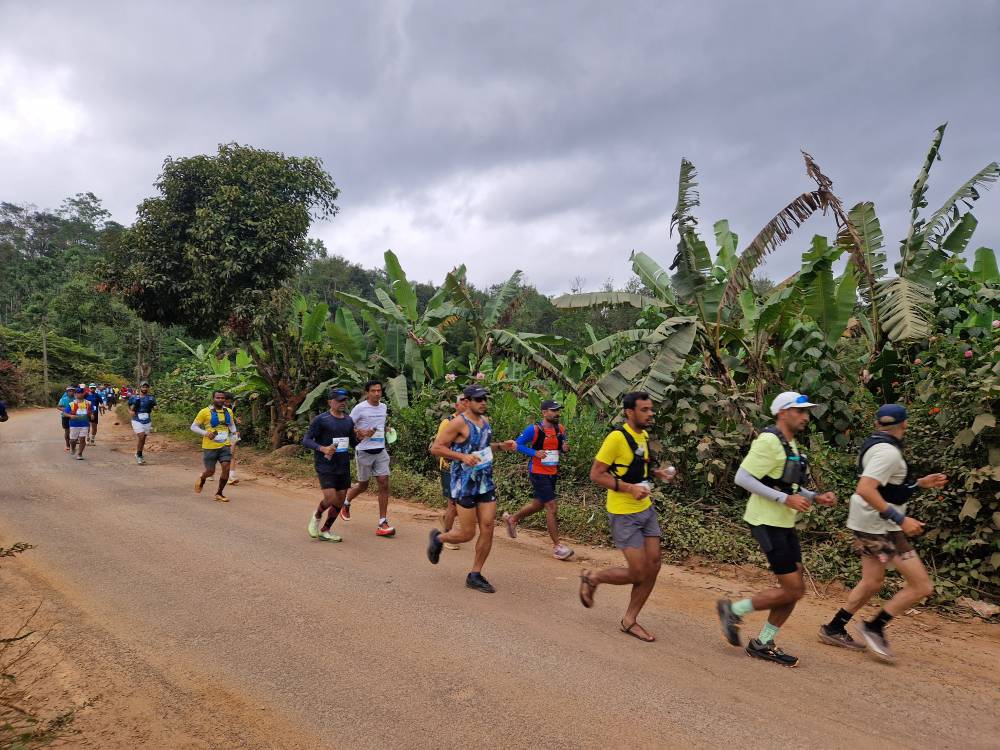
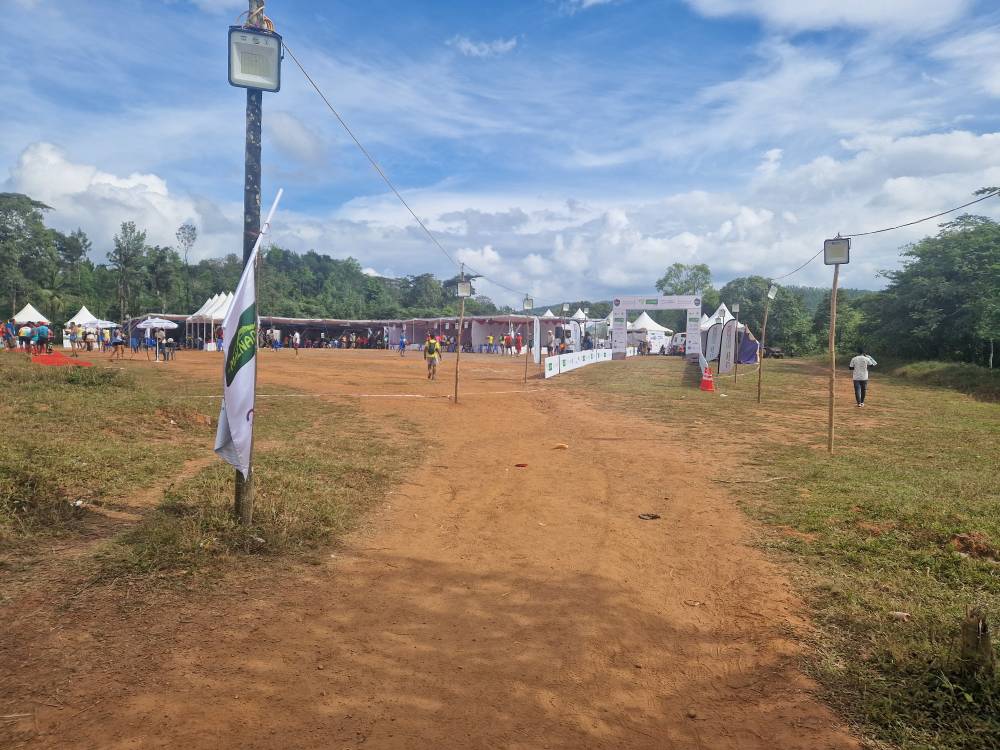
As has always been the case in India, the organisation is perfect – no, even better than that. Information is provided well in advance, help is on hand with finding accommodation and arranging a local taxi driver (incidentally, it’s not just foreigners who hire them by the day, but Indians too – my driver has been booked for every race over the last few years), plus a video conference six weeks before the race to answer any personal queries. “It is not a race, but a run to promote trail running.” That sounds good. The run is organised entirely by volunteers, including eight photographers and at least four drones. In India, personal memories are at least as important as they are in Europe, especially as the population is young and growing, meaning many are right at the start of their running careers. Poles aren’t necessary, though a few people do bring them; some even have just one pole – something I haven’t seen anywhere else before, but which probably does help with stability on some steep sections. Everyone is very well equipped. There are a few runners in sandals, but they’re not wearing the flip-flops you see all too often on the streets; rather, they’re wearing proper running sandals, for the same orthopedic reasons as we do in Europe – not because we are in India. The briefing also covers how to deal with wildlife (no incidents so far) and warns that mobile phone coverage is spotty along the route and that ambulances can’t reach every section. So it’s best to be careful, but I’m always out and about under the motto “it’s not a race” anyway. That said, apart from cows, two monkeys and a few butterflies, I haven’t encountered any wildlife. And the monkeys were gone too quickly to get a photo. The run cost me 35 euros, which includes breakfast, a hot meal at the 25 km mark and at the finish line, so you’re fully catered for the day. On top of that, you’ll need local accommodation and the journey on Friday after work from Bangalore (270 km = 5 hours) and back on Sunday. You need to be careful when booking accommodation through online platforms. My first place to stay, booked well in advance via Expedia, informed me three weeks before the race that the room I’d booked and paid for wasn’t actually available; the second, booked via Booking.com, also turned out to be non-existent. In the countryside, always book directly and then give them a call. In the end, however, the situation turned out to be a blessing, as the race director told me about a runner who’d had to pull out at short notice, so that in a small guesthouse with a very friendly group of runners from Bangalore, I not only got a bed, but also a whole team of friends to boot.
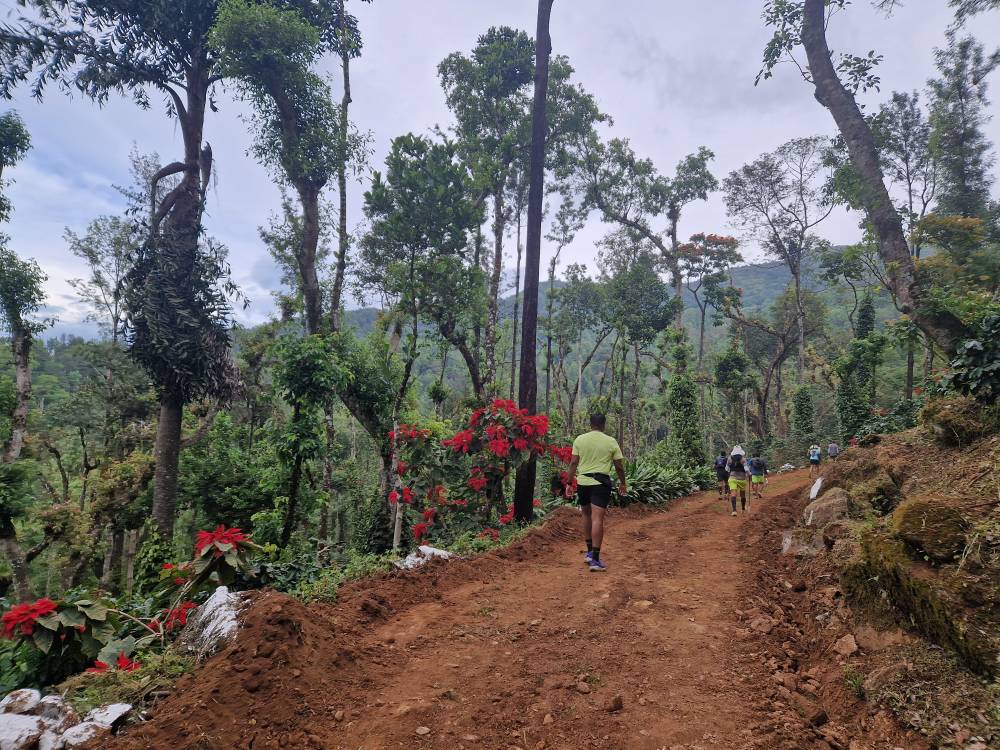
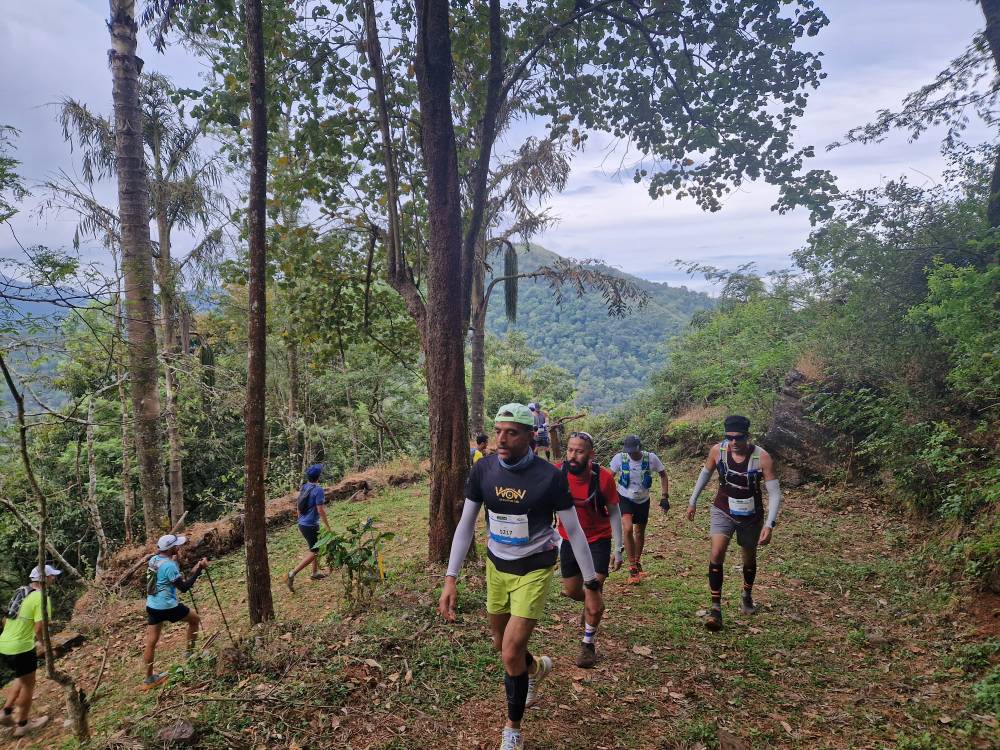
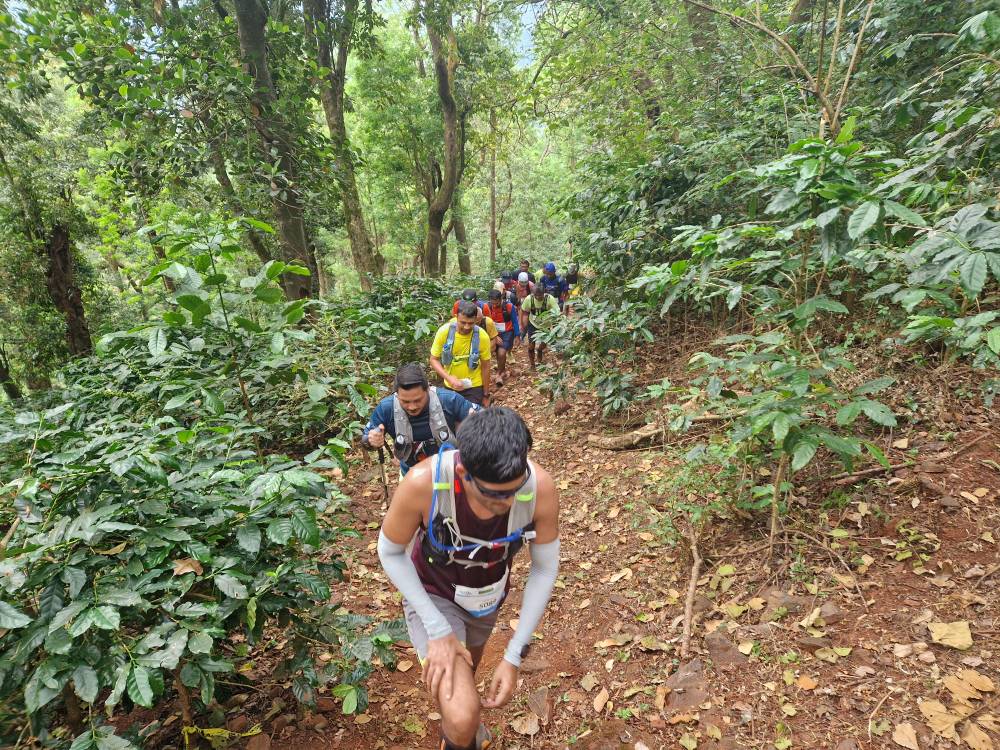
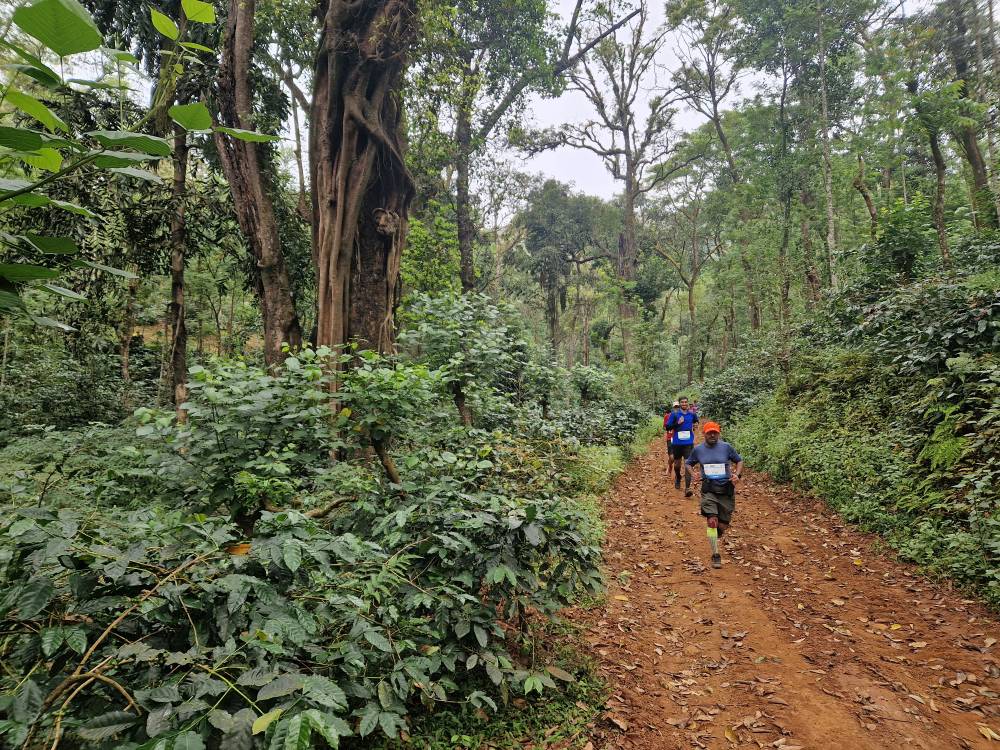
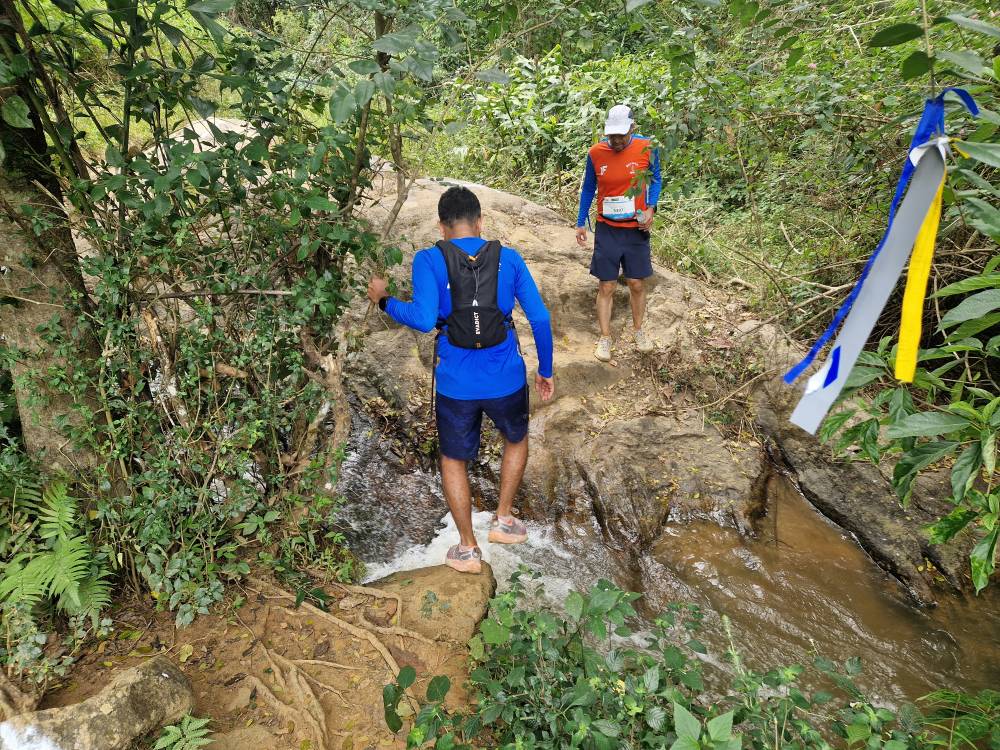
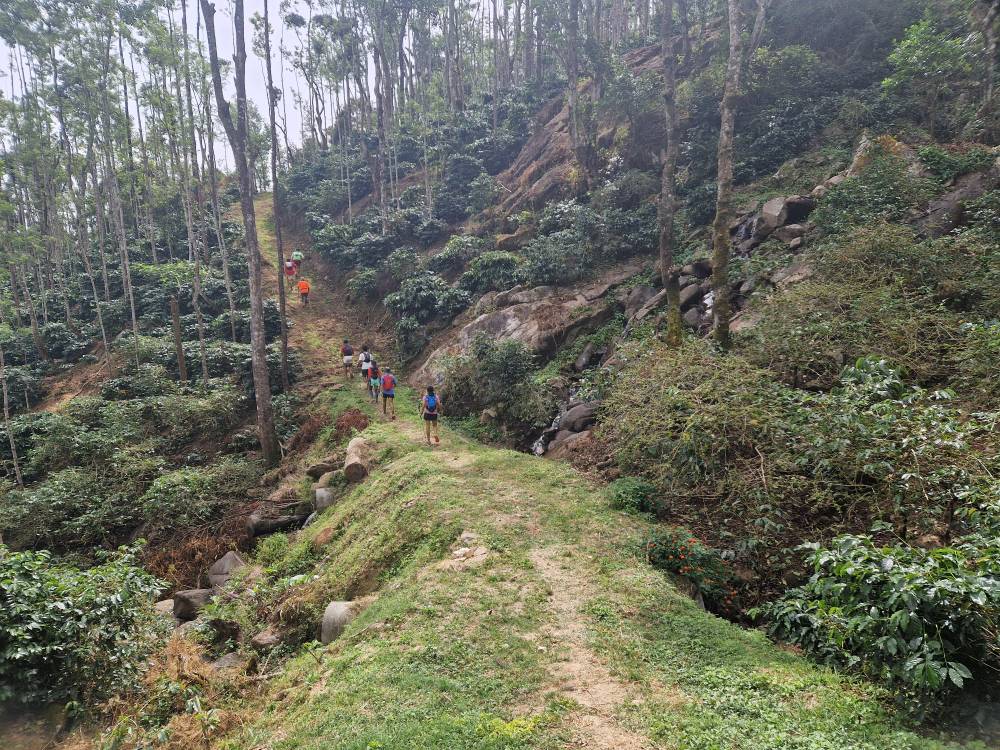
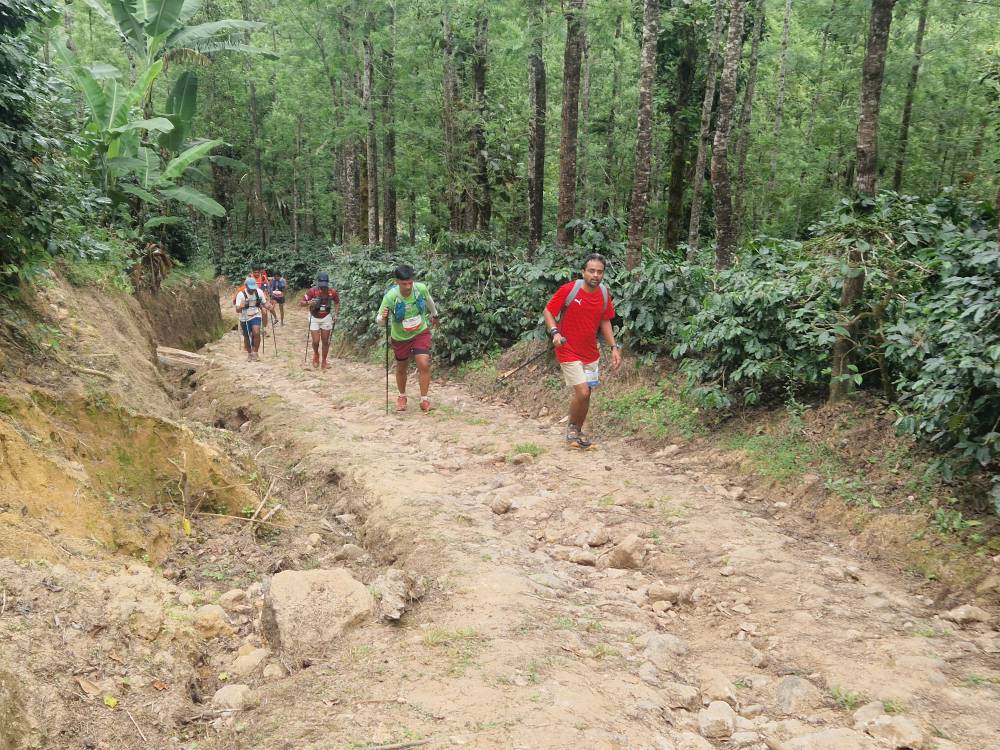
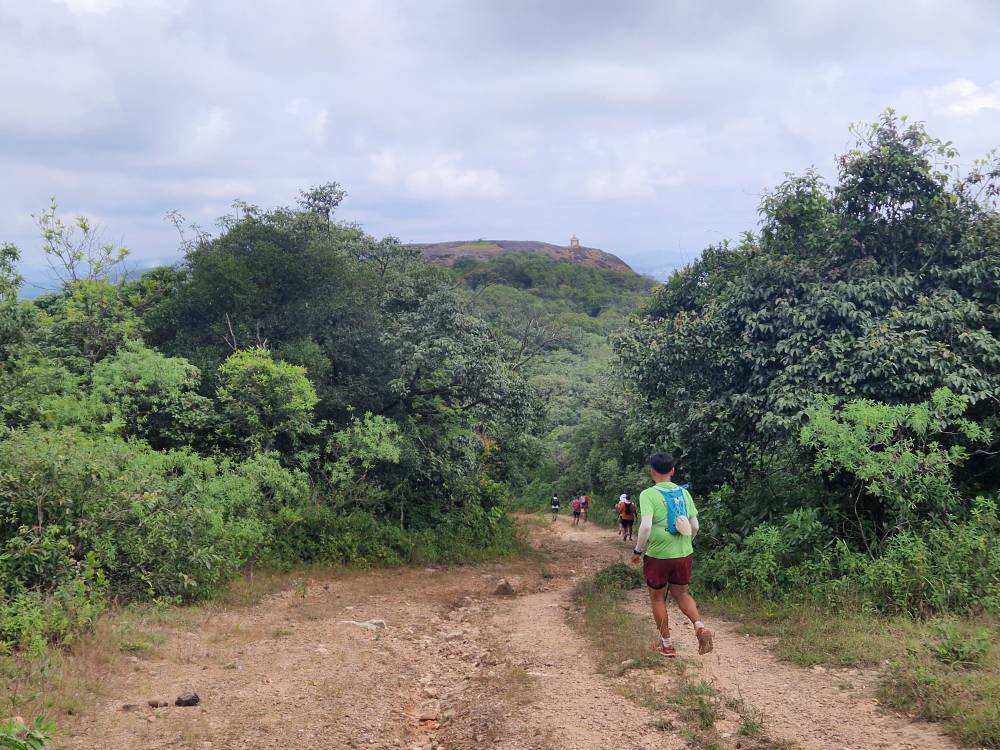
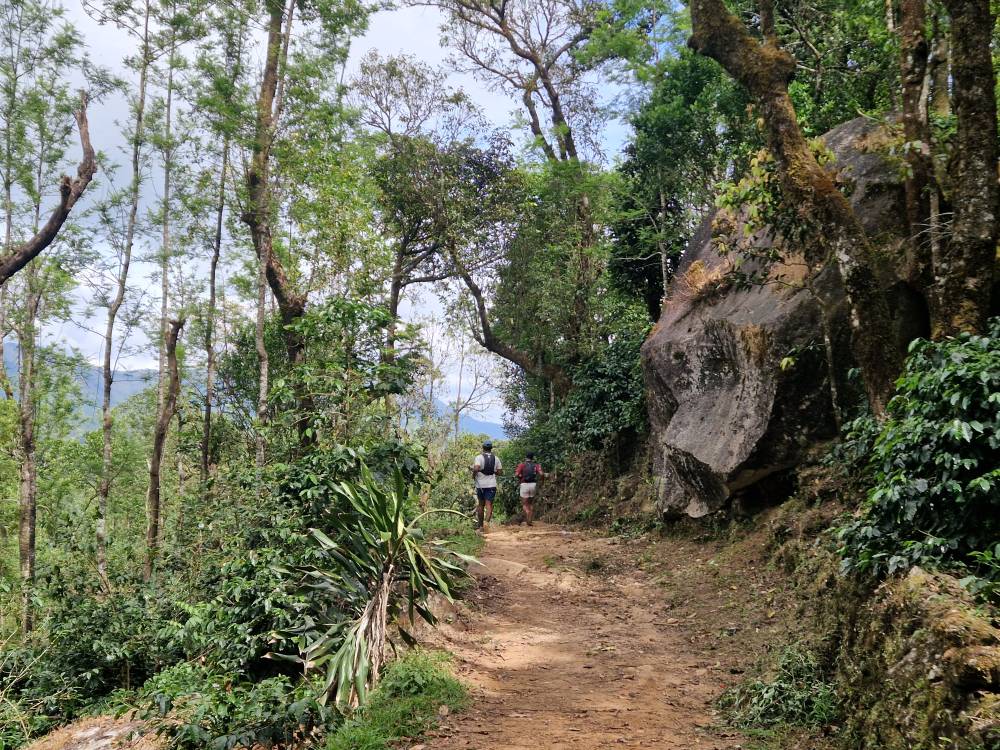
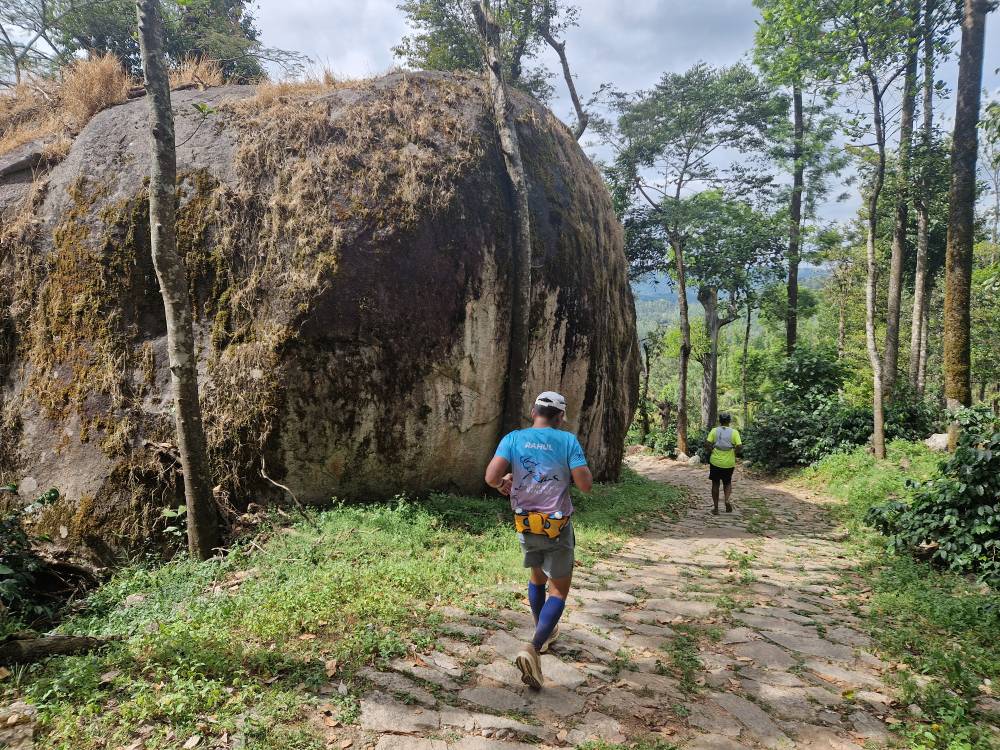
The route itself isn’t particularly unpleasant. 50 km, with refreshment stations every 5–7 kilometres, all at altitudes between 1,000 and 1,500 metres above sea level. Two climbs are quite steep but not too high: at kilometre 6, a rise of over 200 metres, and at kilometre 33, a rise of over 250 metres, after which it’s almost all downhill to the finish. The rest of the route is well balanced, and especially on the downhill sections it’s rarely too steep to run, which really makes it a joy. However, there are almost no flat sections at all. And don’t let that fool you, because the second climb in particular is really steep, and you have to watch out for stones very carefully. Although I didn’t fall, I came close a few times and ended up taking a few too many knocks to my big toe, which spoiled the fun a bit. My own fault.
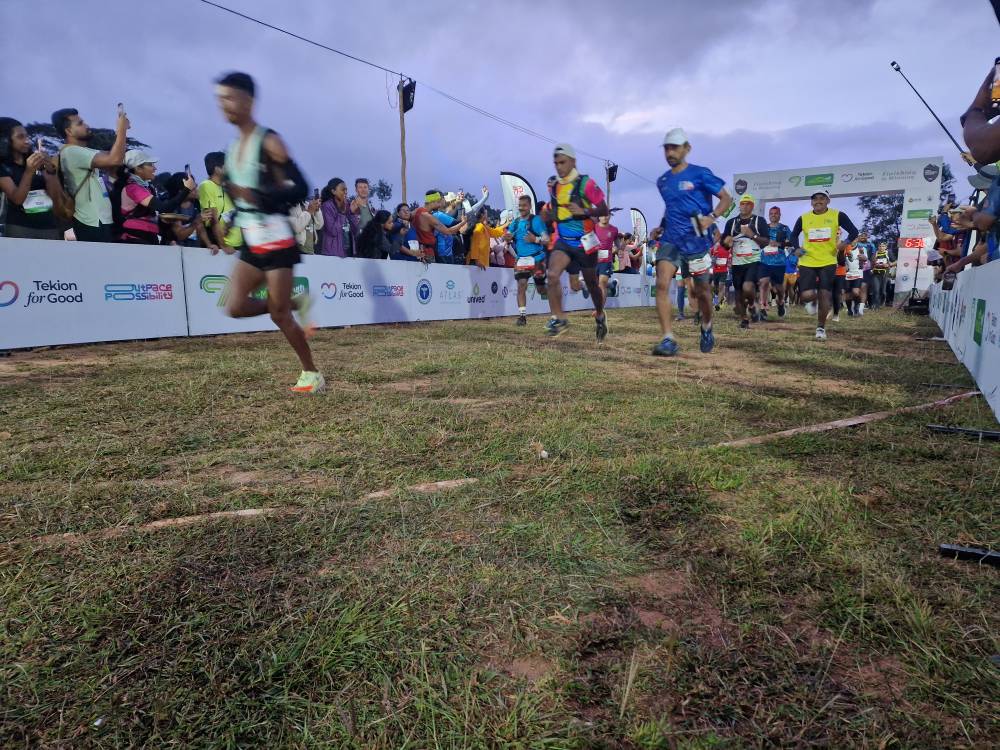
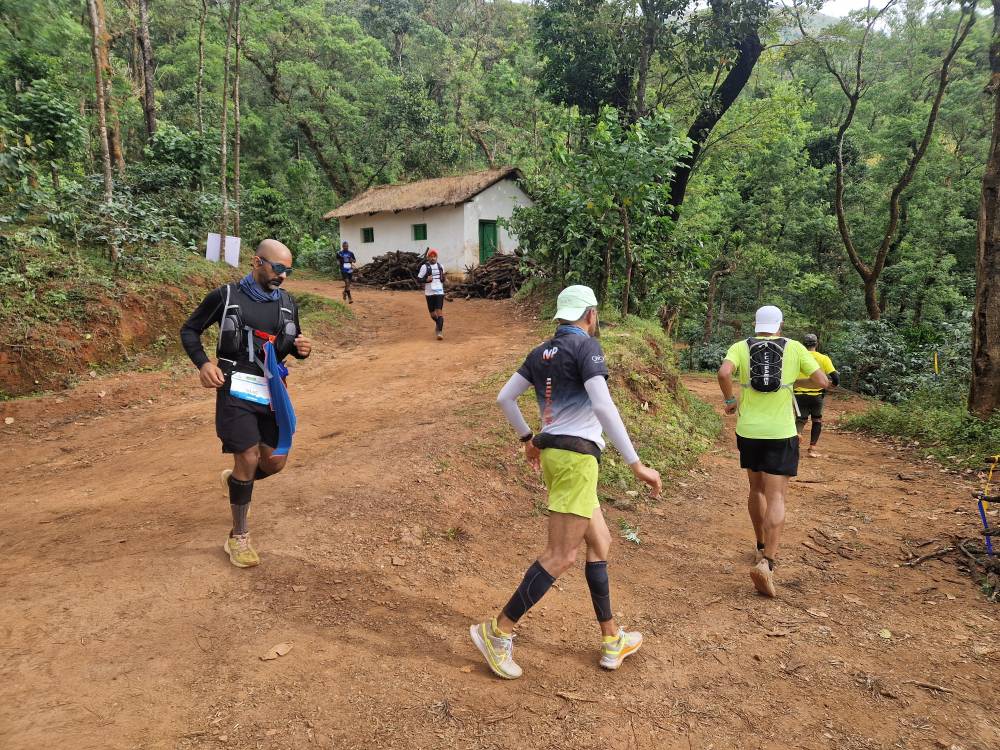
We set off at 7 am, half an hour after sunrise. The long-distance runners start 30 minutes earlier, the shorter-distance runners afterwards, so you do come across each other and, despite the length of the trail, you rarely find yourself with no one in sight. Incidentally, it didn’t get too hot, as it was rather cloudy and occasionally windy. You still needed plenty to drink, though.
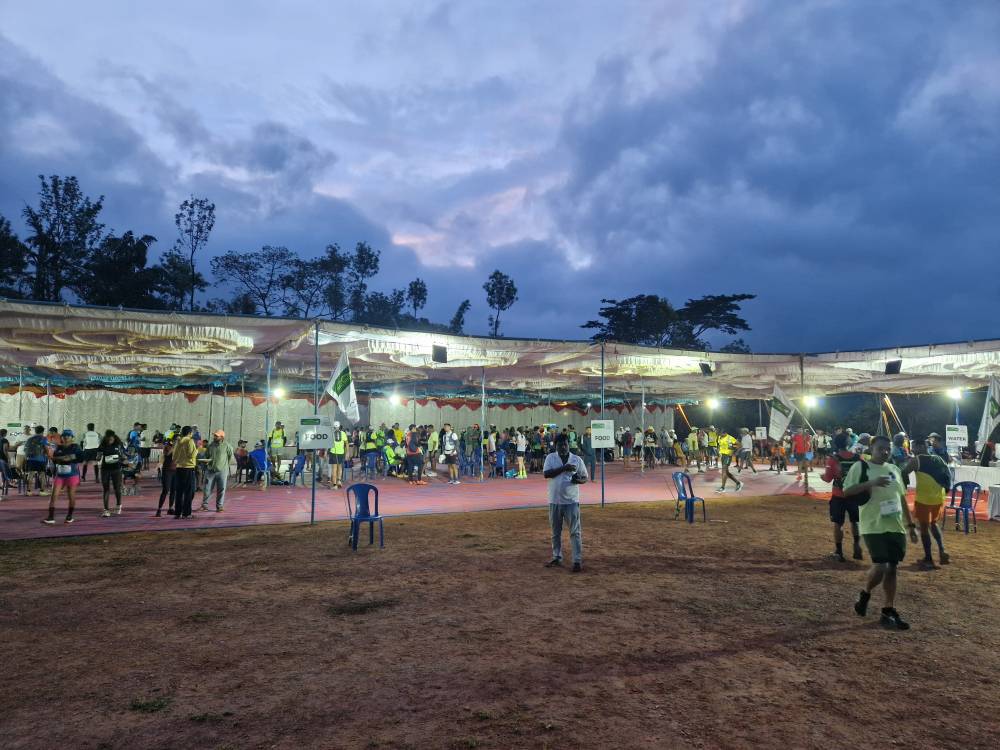
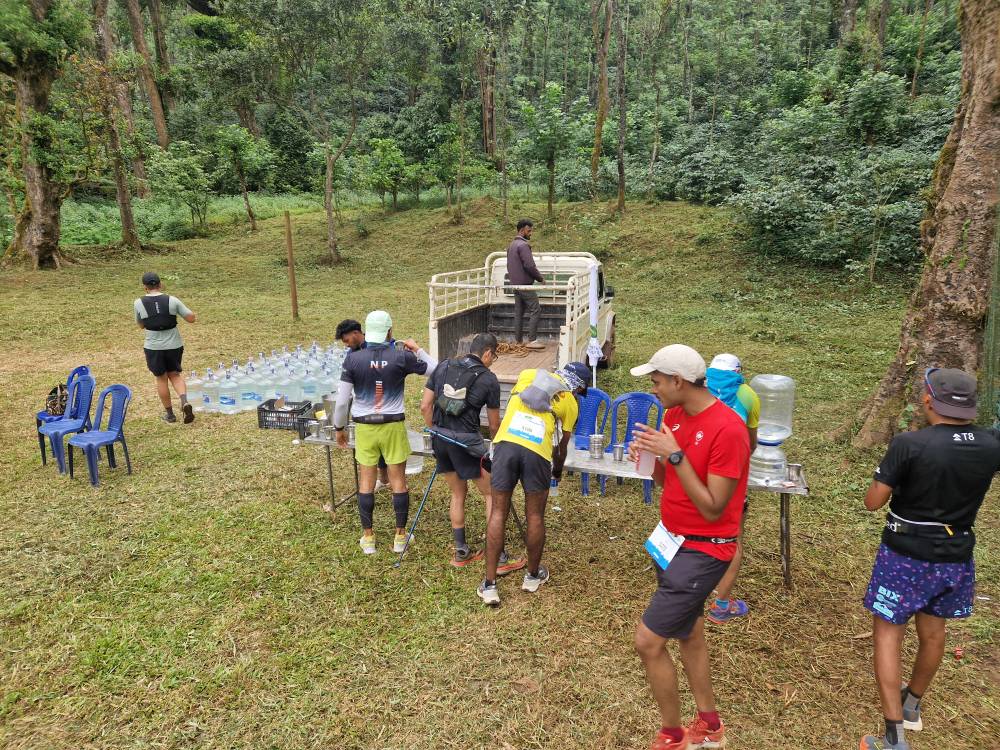
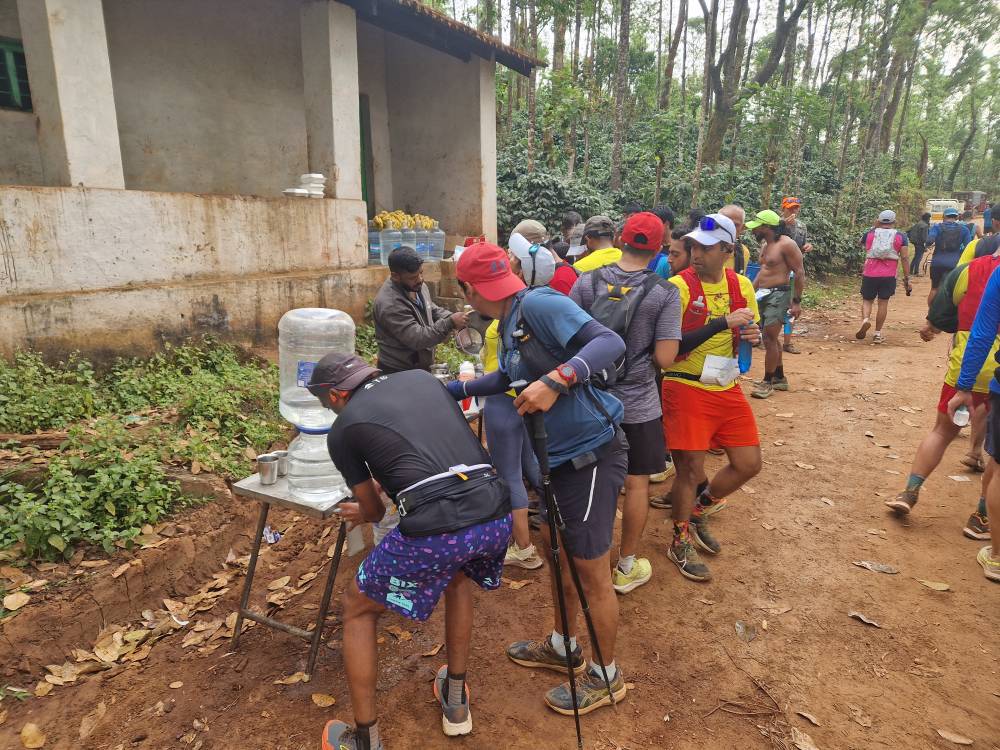
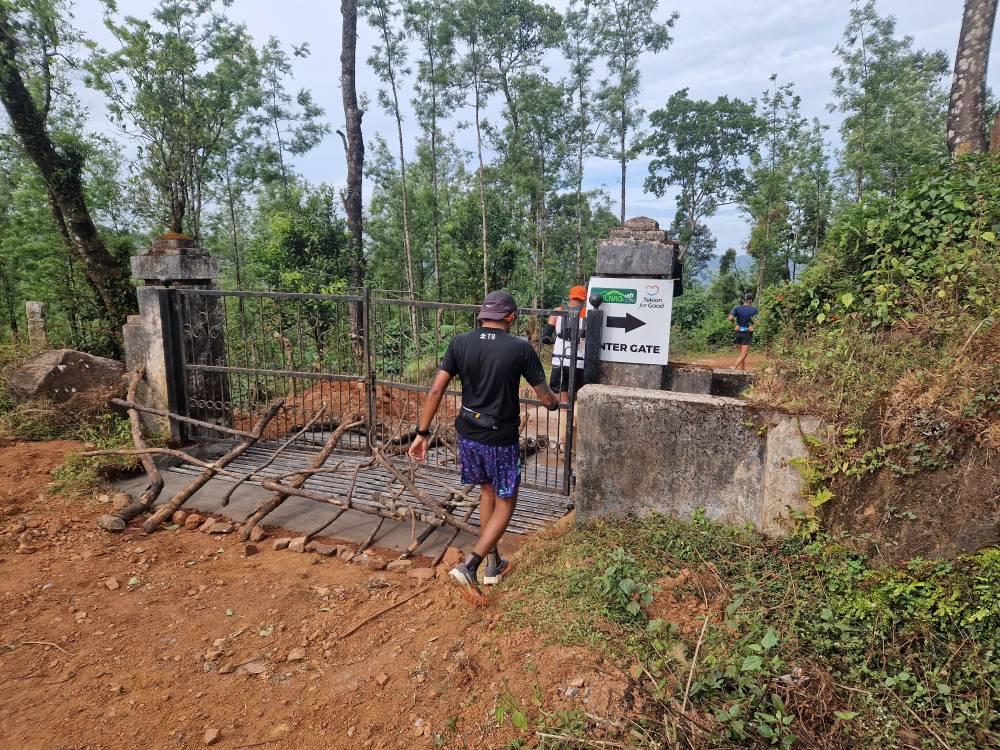
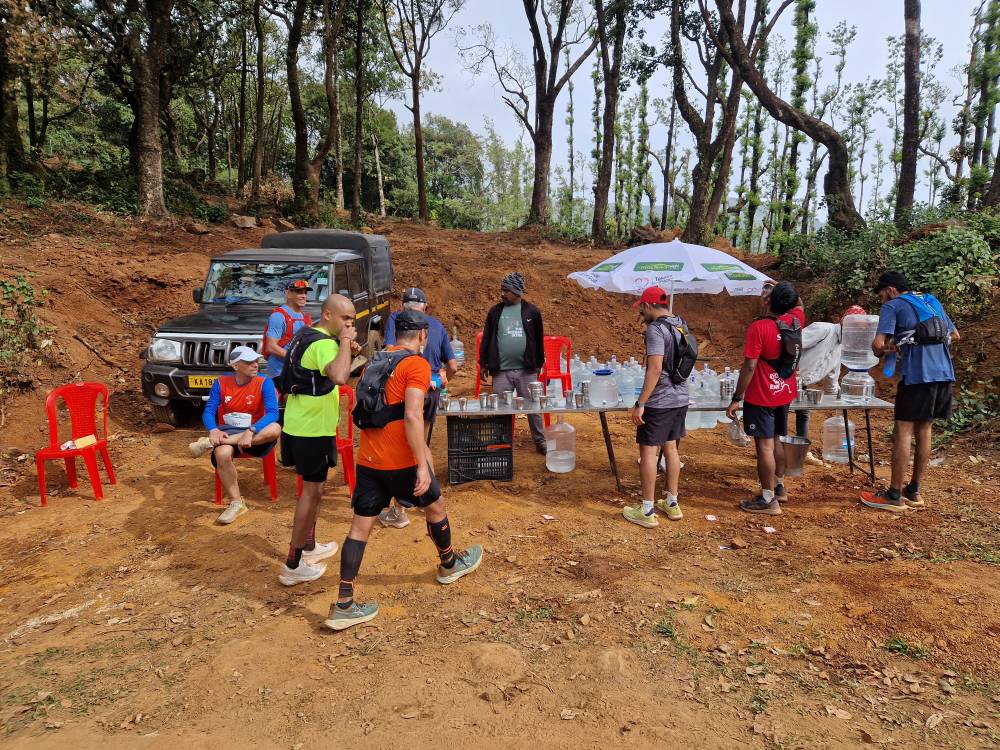
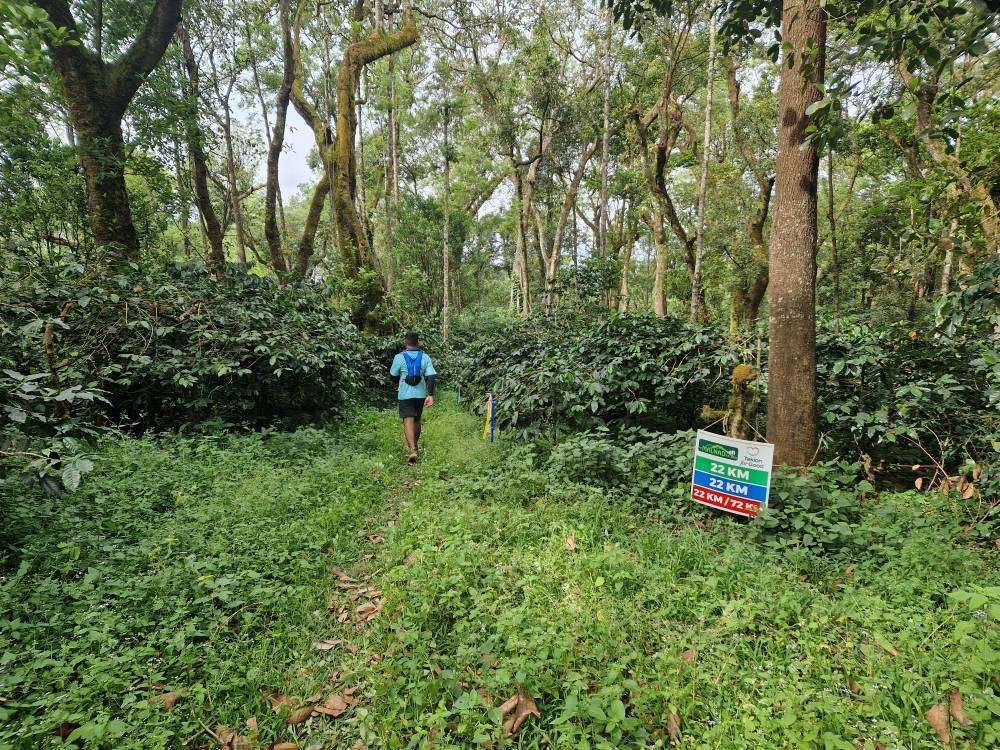
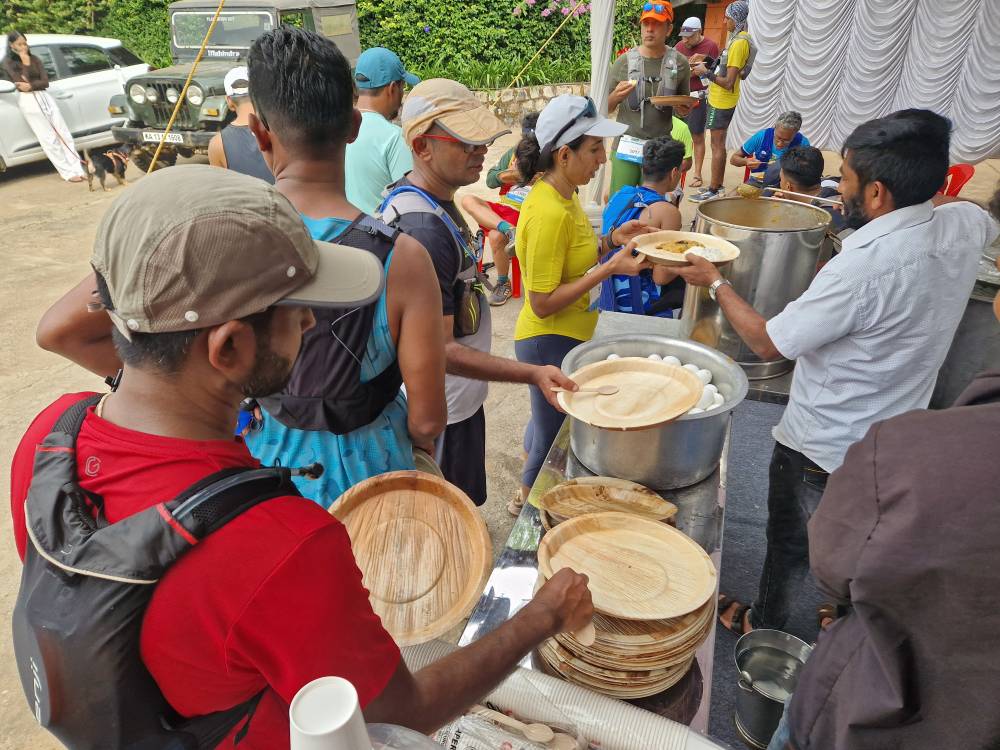
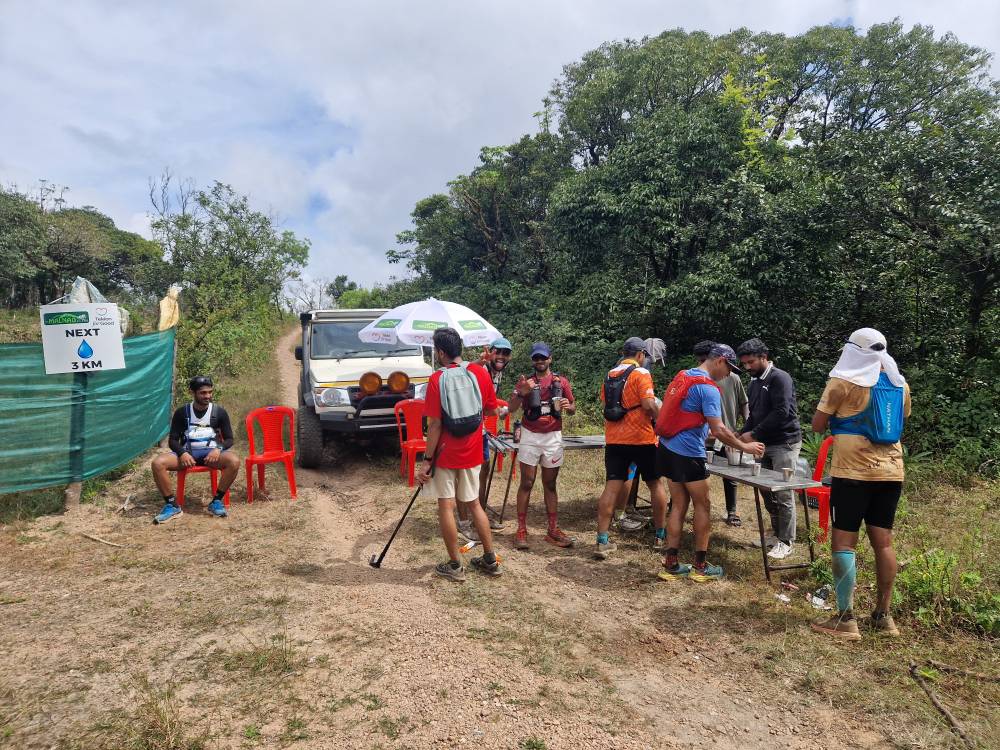
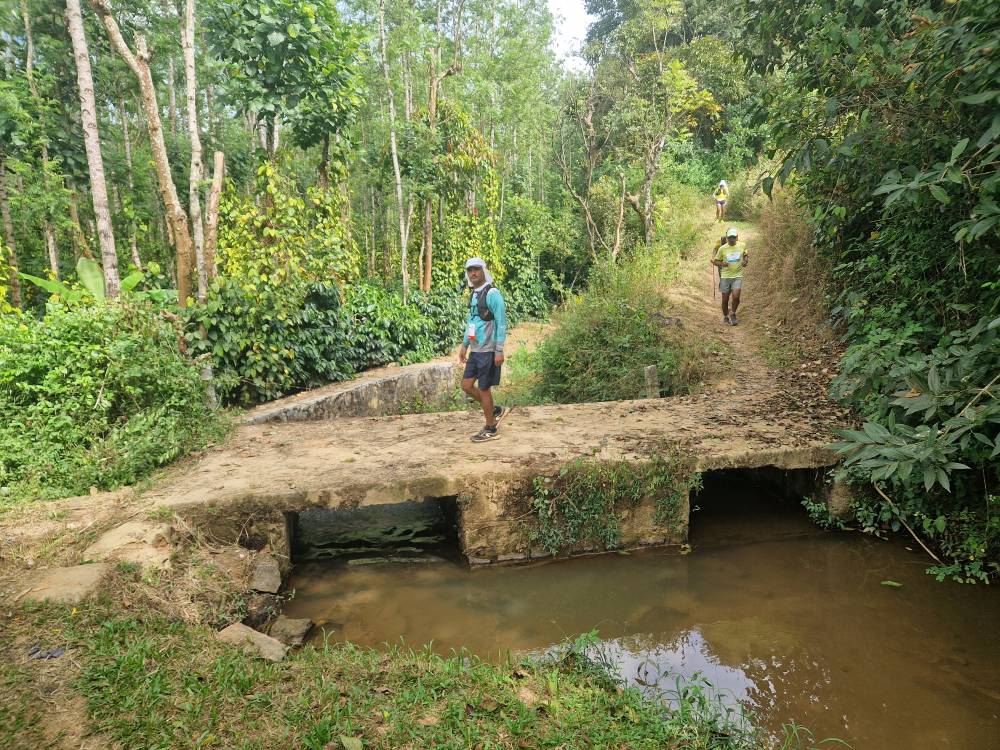
The refreshment stations not only offer water and electrolyte drinks, but usually also bananas, lemons, biscuits, eggs and salt, plus a meal halfway through the course. The volunteers didn’t just hand things out, though; they always asked how you were getting on. They really do go out of their way to ensure everyone gets through safely. The route is signposted excellently, so even a last-minute change to the route – which I hadn’t managed to synchronise with my watch and where my mobile, using Komoot, unfortunately claimed to have no GPS signal – wasn’t a problem. You could basically have run without a watch, navigation or rucksack, just with a water bottle in your hand.
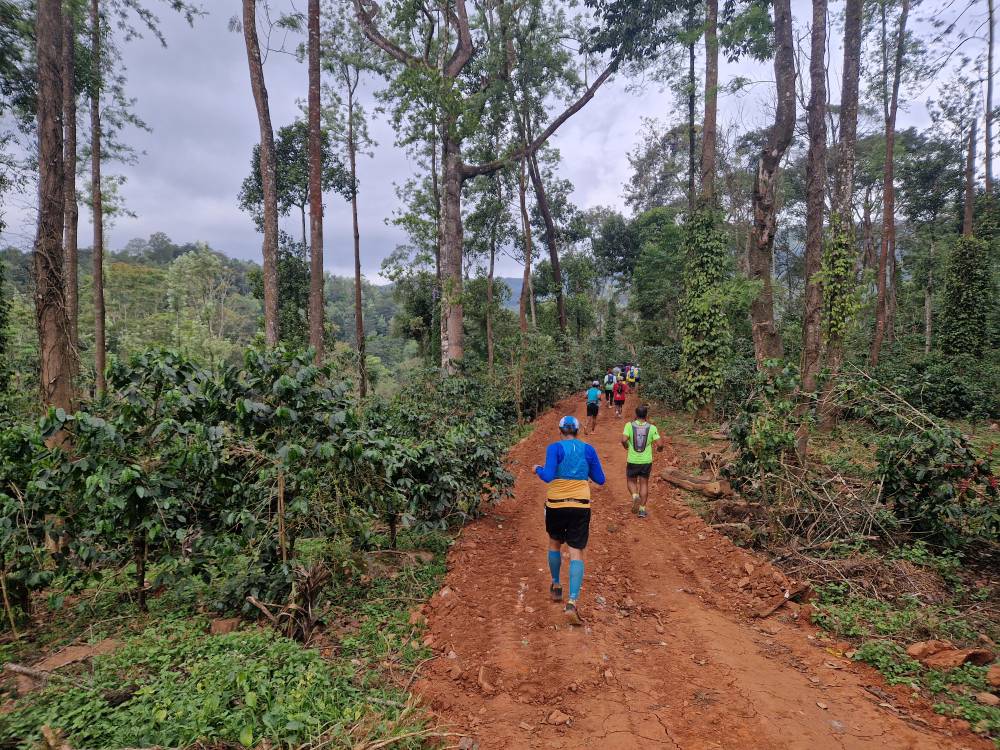
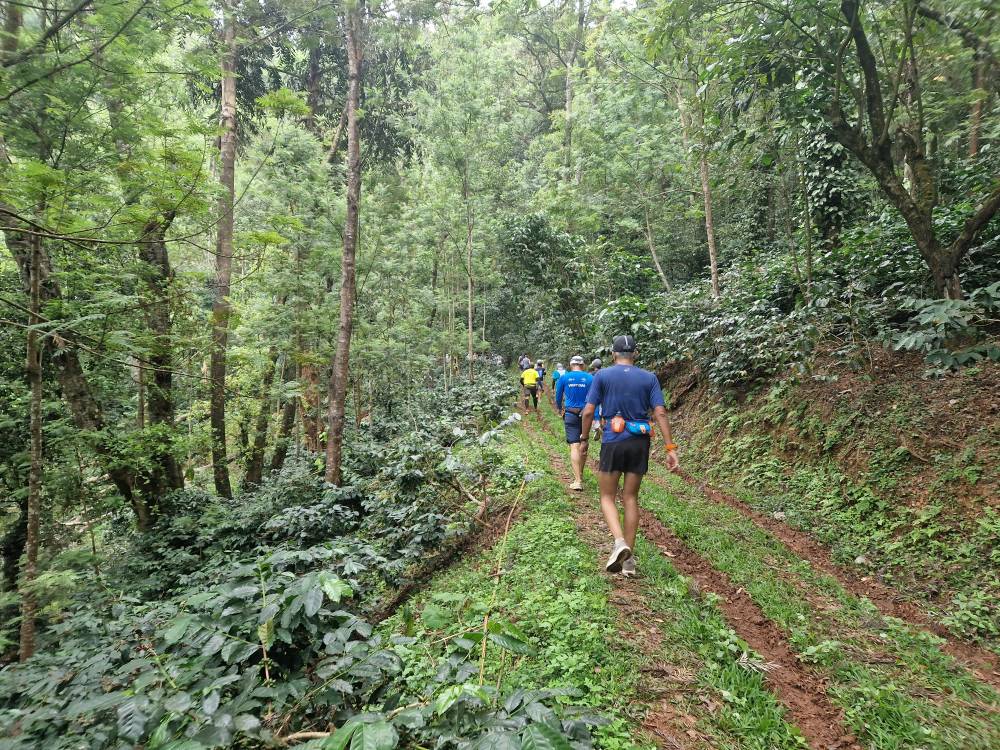
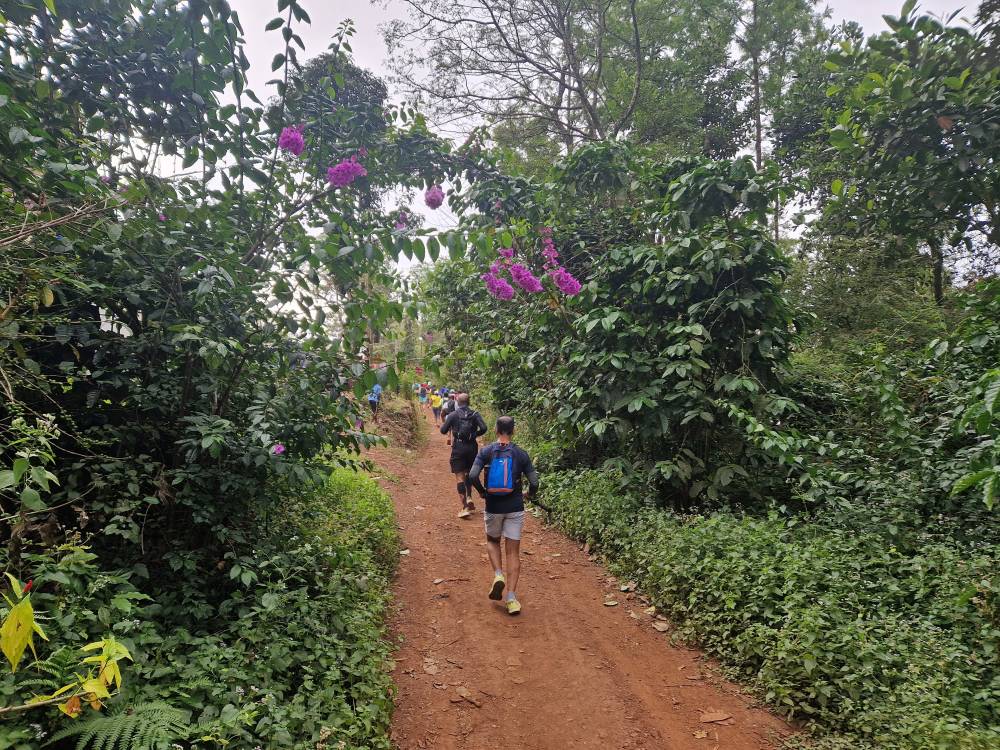
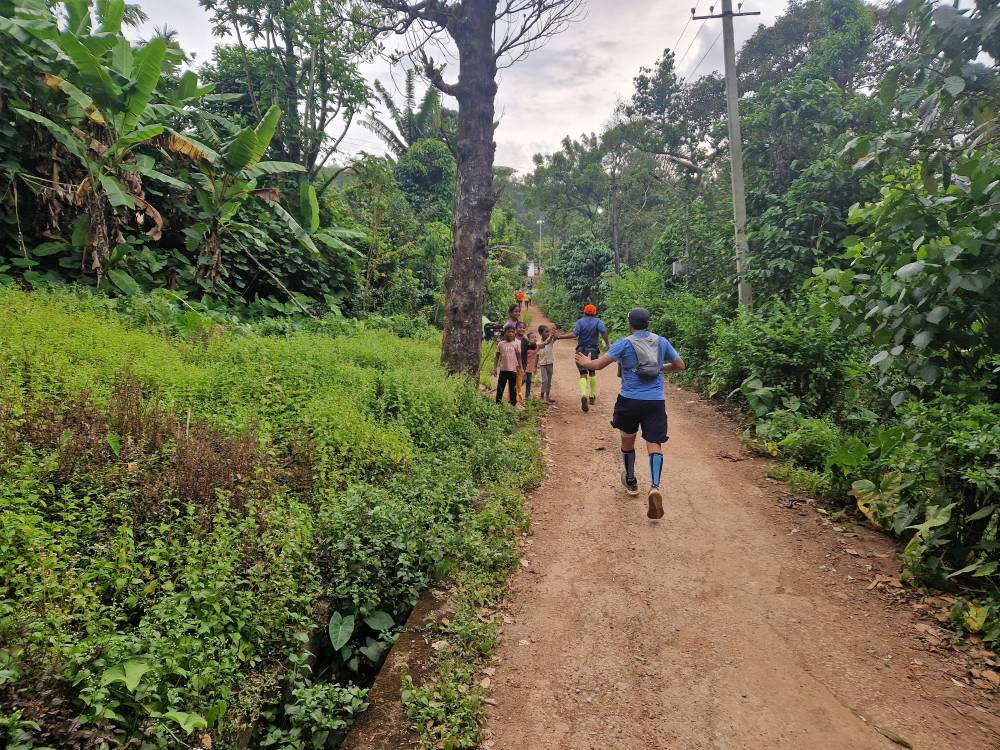
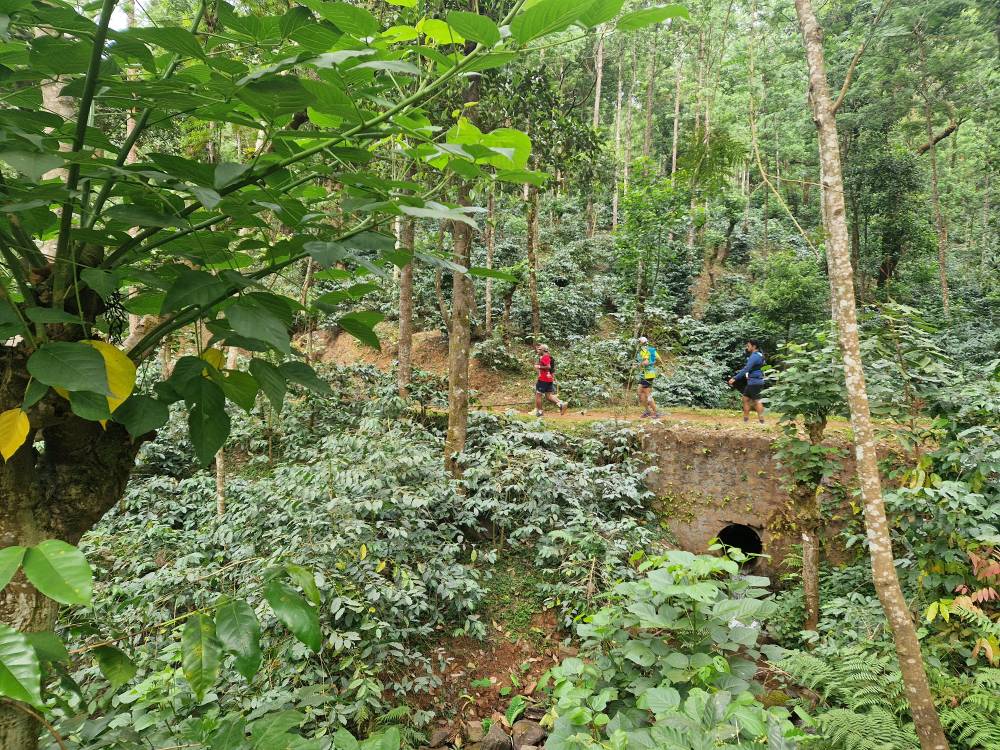
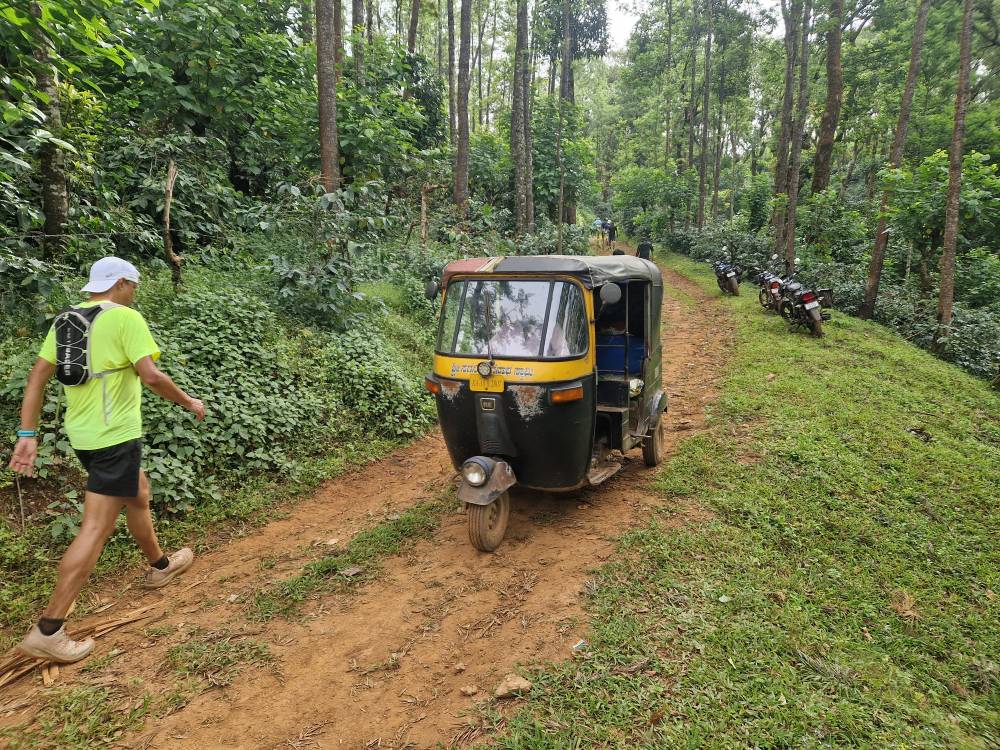
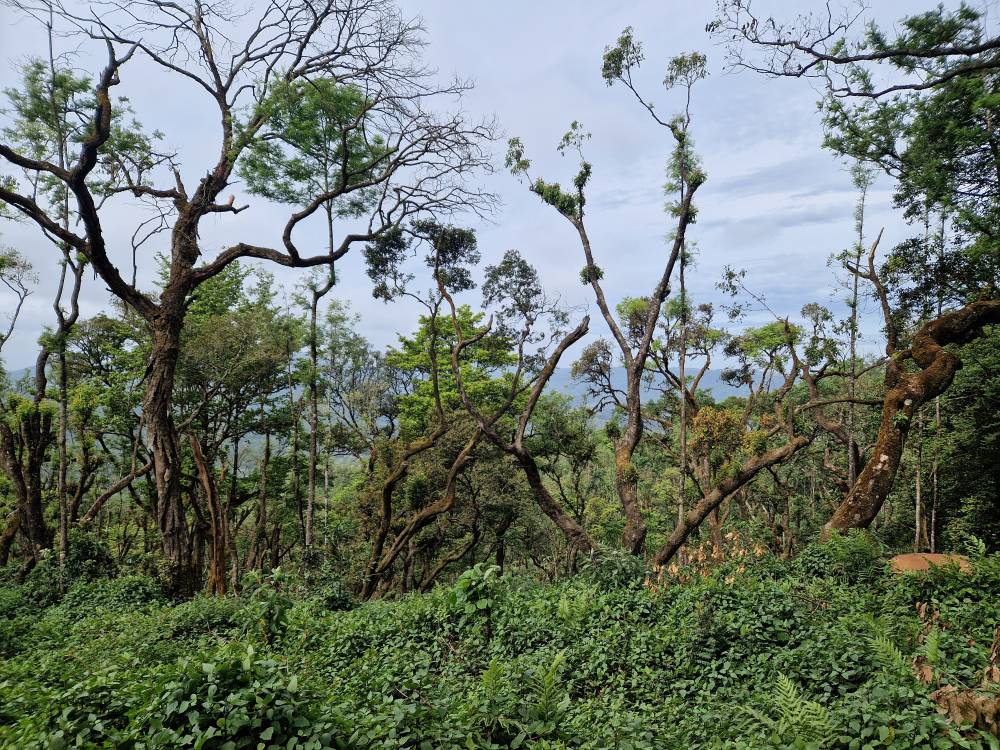
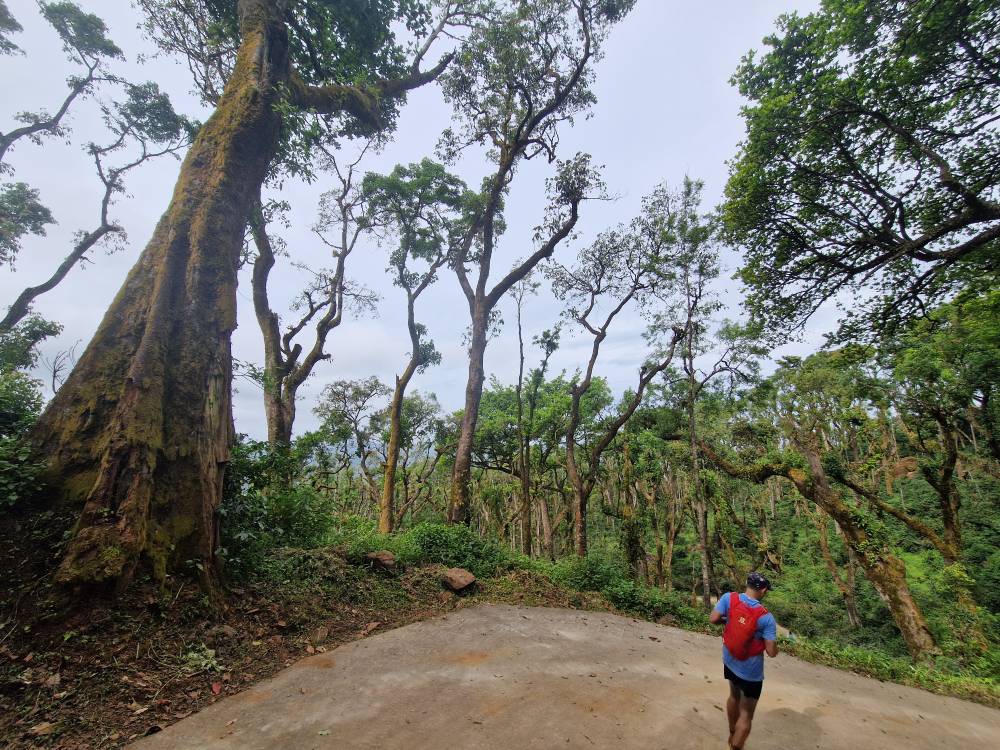
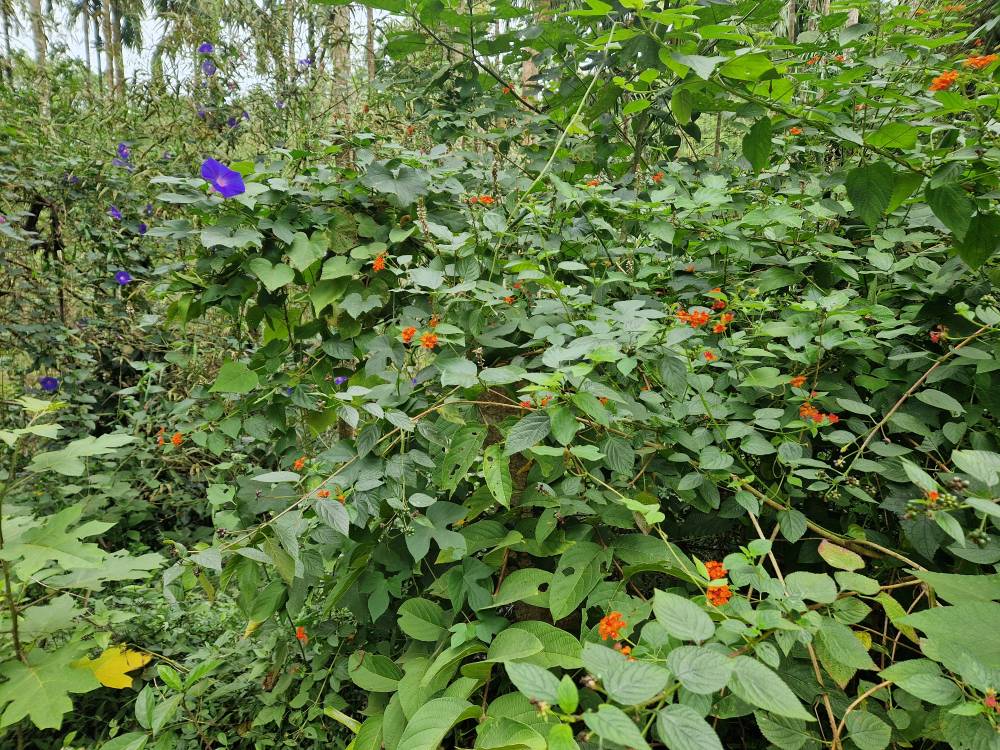
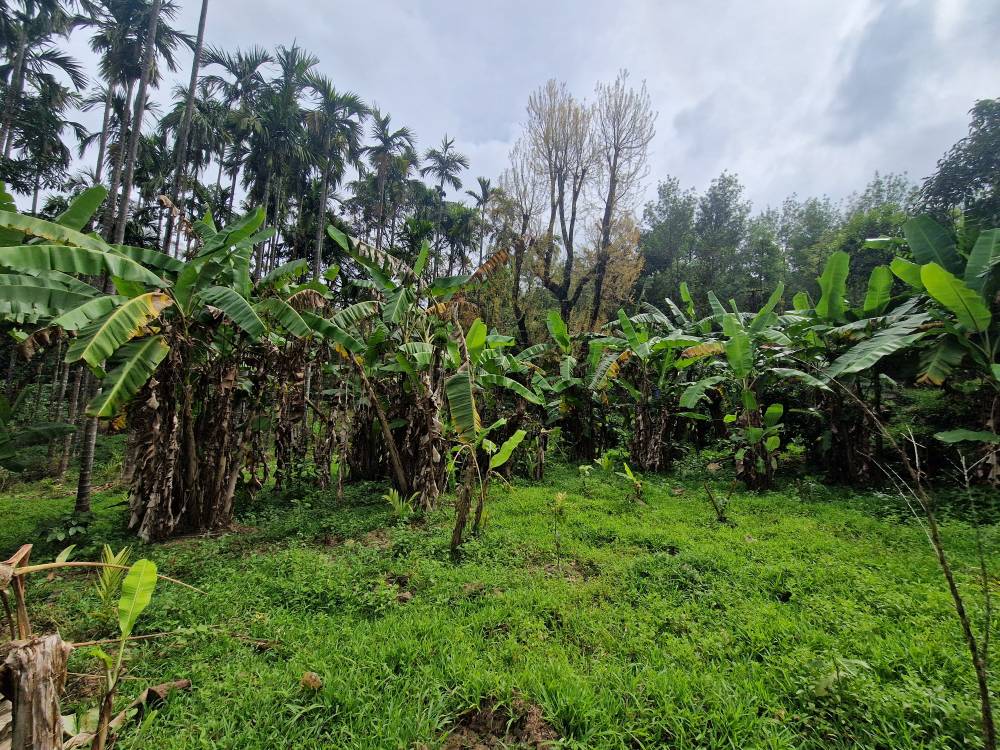
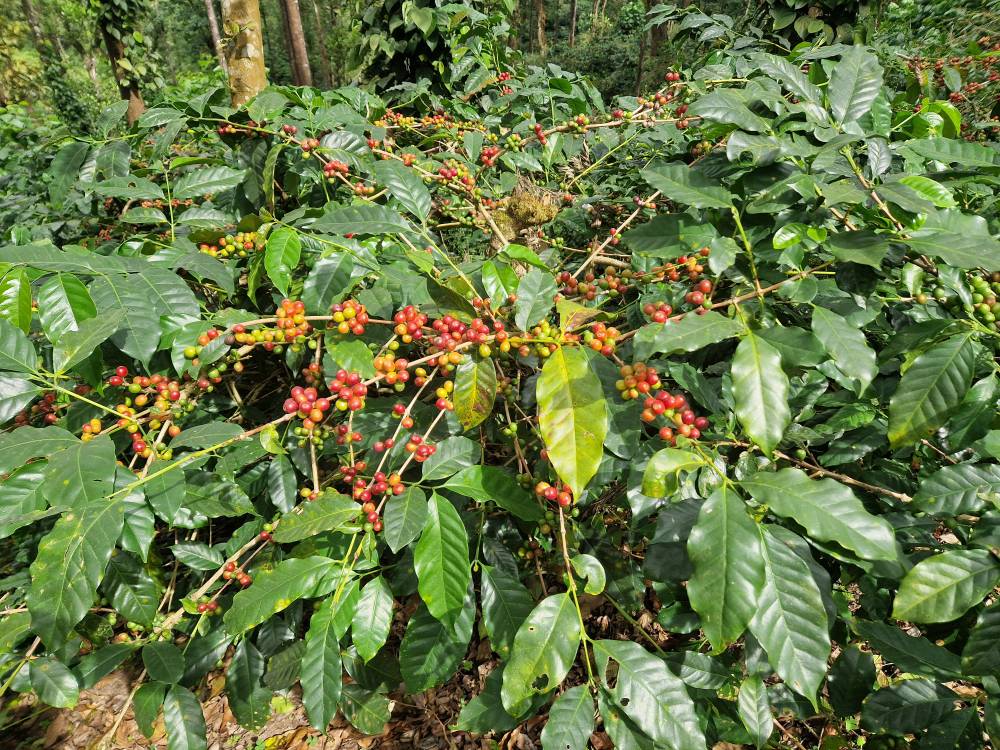
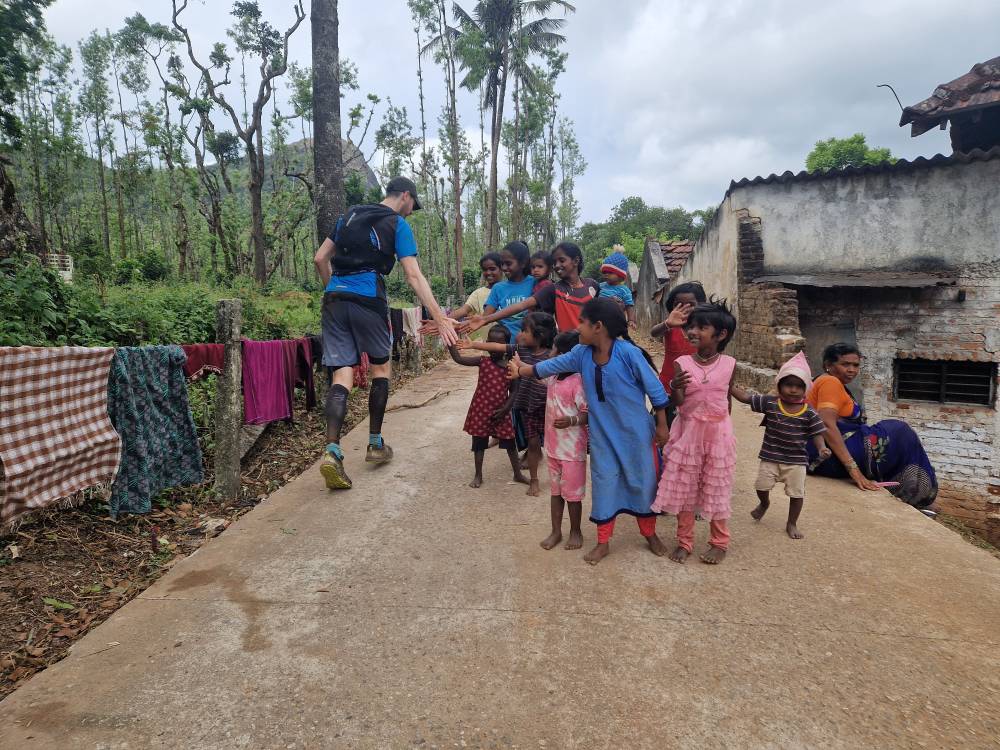
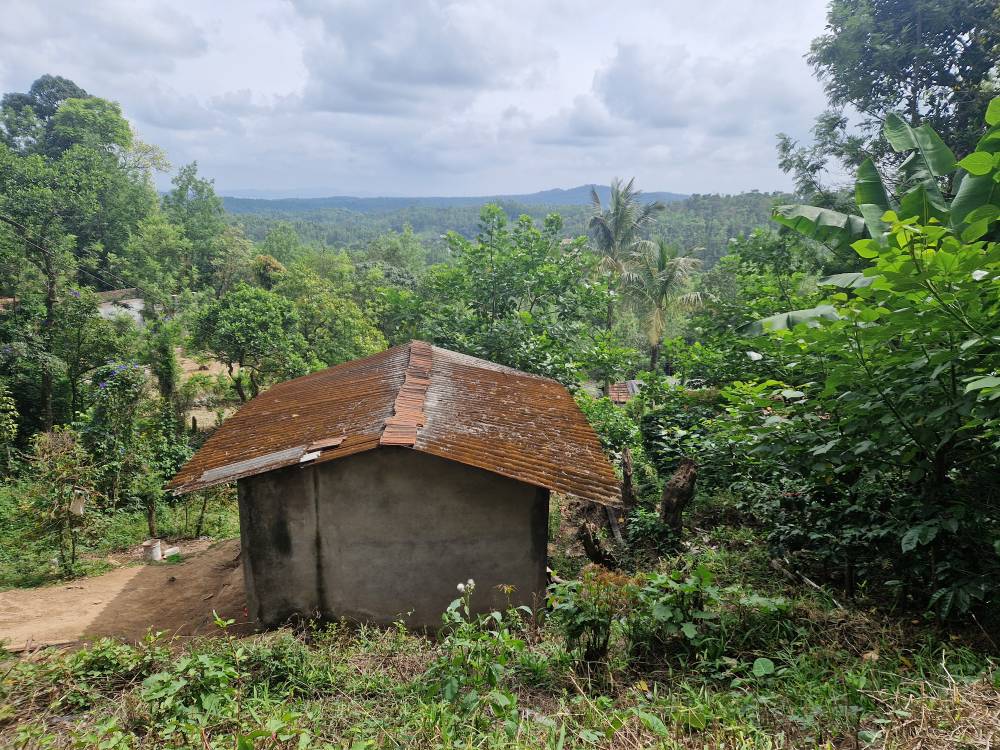
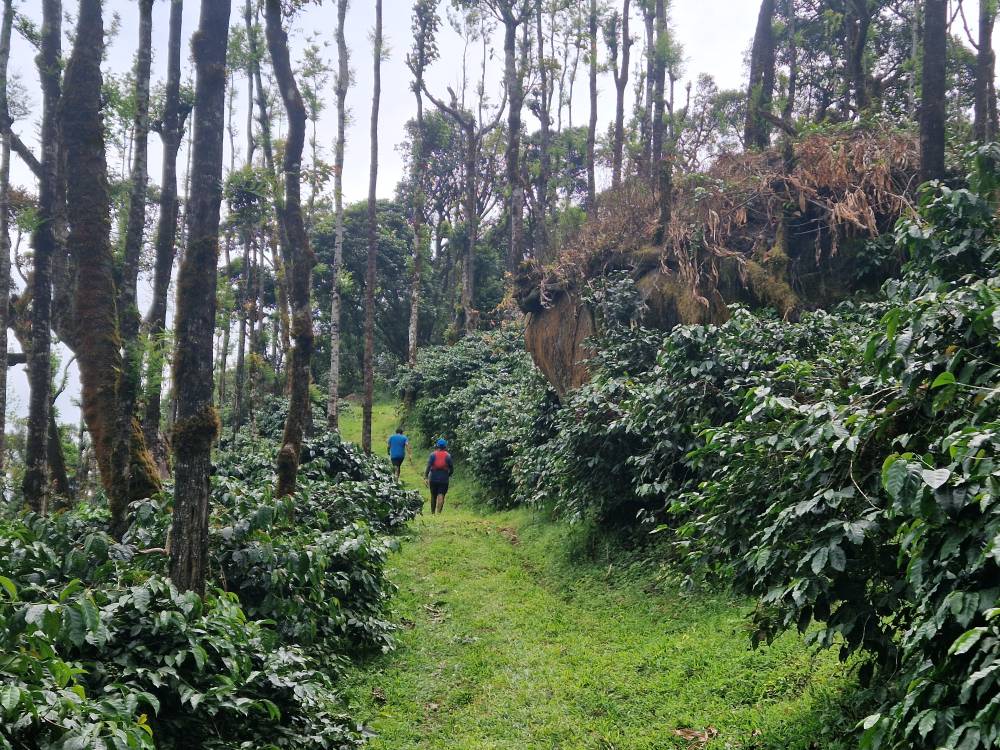
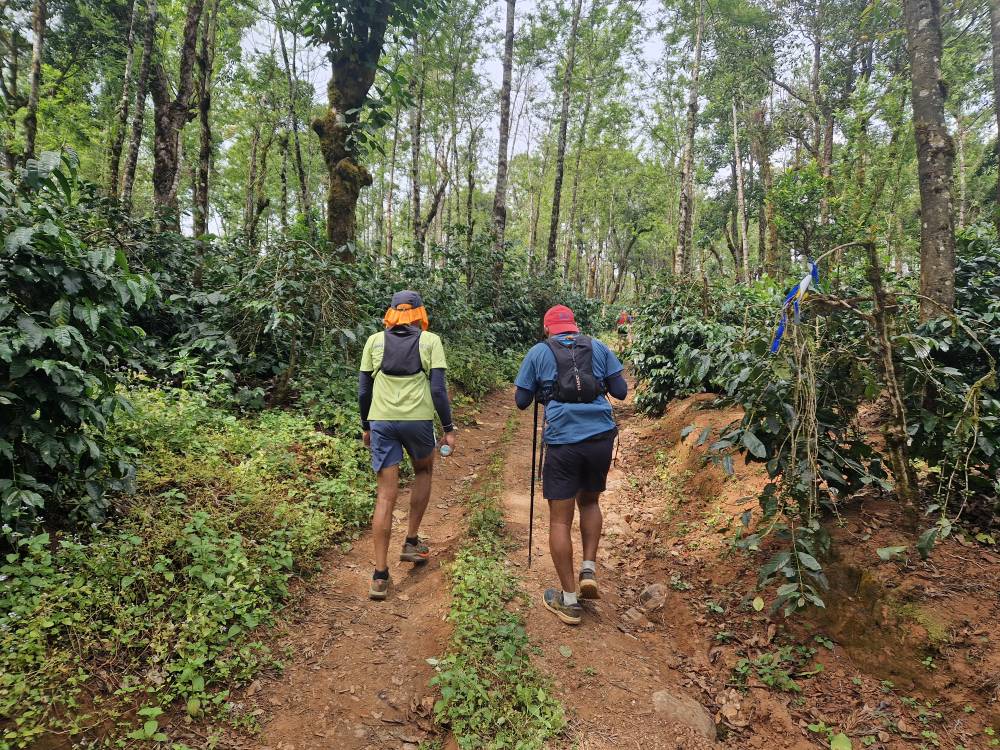
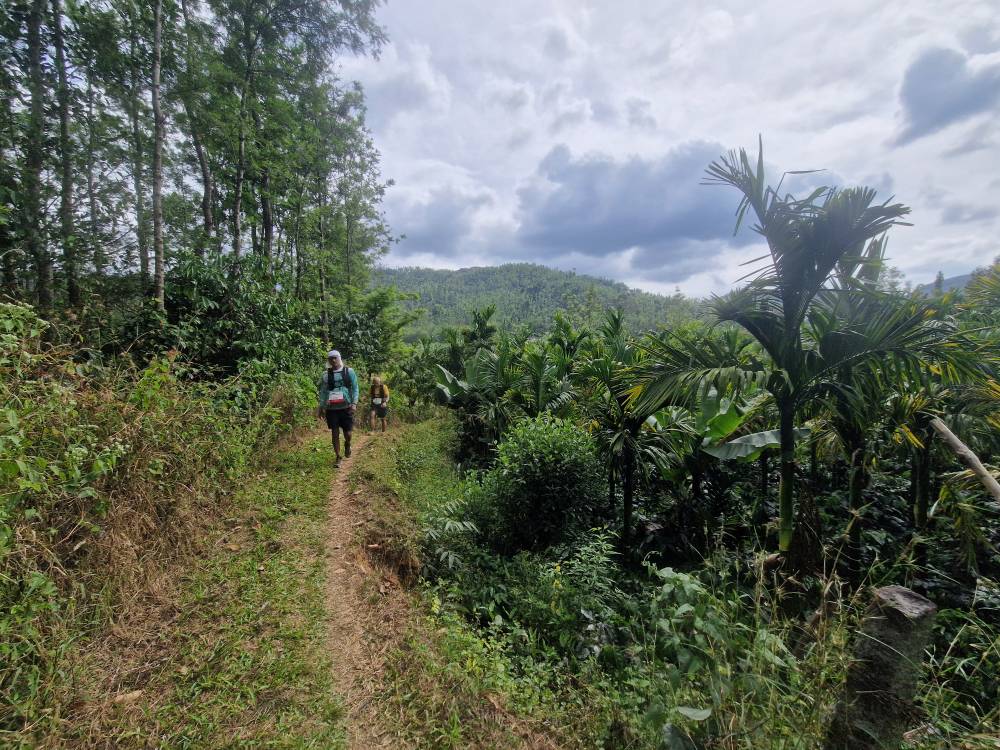
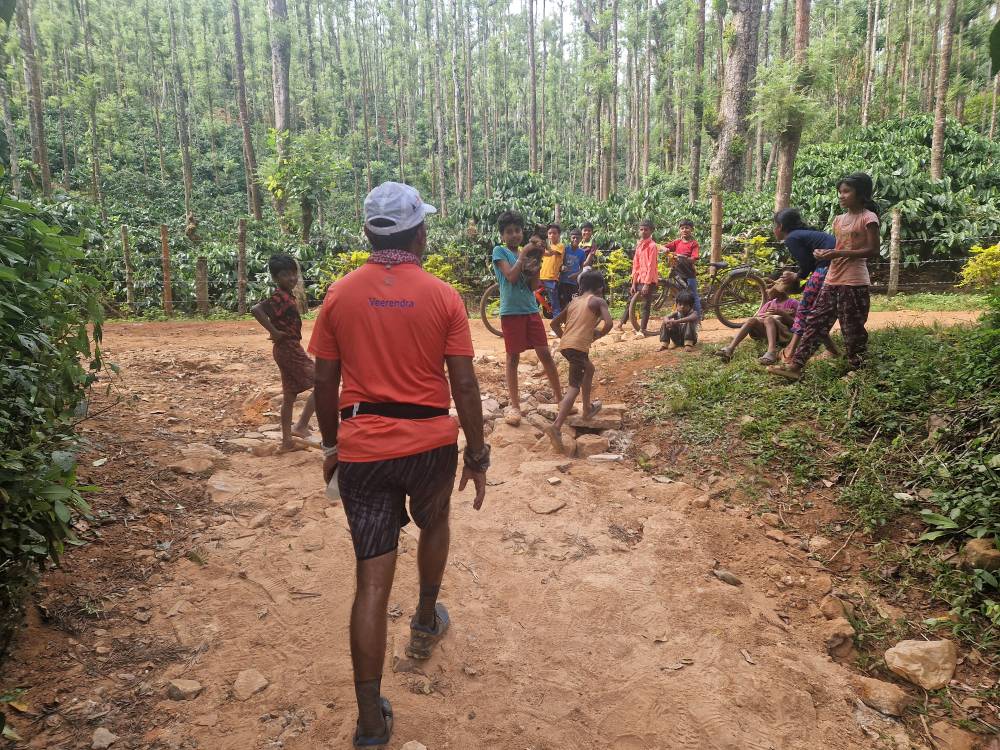
As mentioned, the route runs largely through coffee-growing areas, winding its way up and down the slopes. This is quite a wild experience, however, as the layout isn’t symmetrical like in plantations but is planted more naturally – so you feel more as though you’re in a coffee forest. In between, there are of course the region’s typical trees, including betel nut palms, banana trees and silver oaks. The slopes are privately owned – so-called “estates” – where work is carried out also on Saturdays. Mainly with hand scythes, so overall it was still quite peaceful. The farm workers all wear long clothing, many wear wellington boots, and some wear warm hats – in other words, the exact opposite of the runners. I suspect that the local workers weren’t particularly impressed by the influx of fitness fanatics – most of whom came from the big cities – either; in principle, they barely took any notice of one another. As families in the small settlements sometimes stood by the roadside, they simply watched in disbelief, and even the children were told not to cheer on the runners, presumably so as not to disturb them. When their parents weren’t there, the little ones naturally had a great time. And perhaps these children, and the encounters they had along the route, will help nurture India’s next great trail runners.
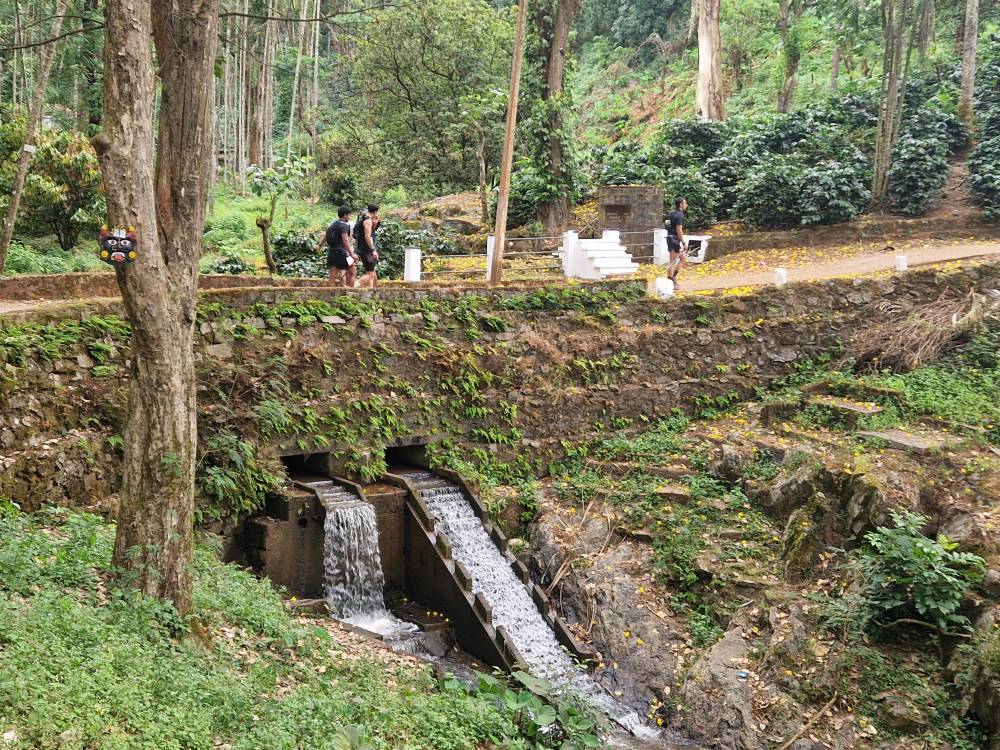
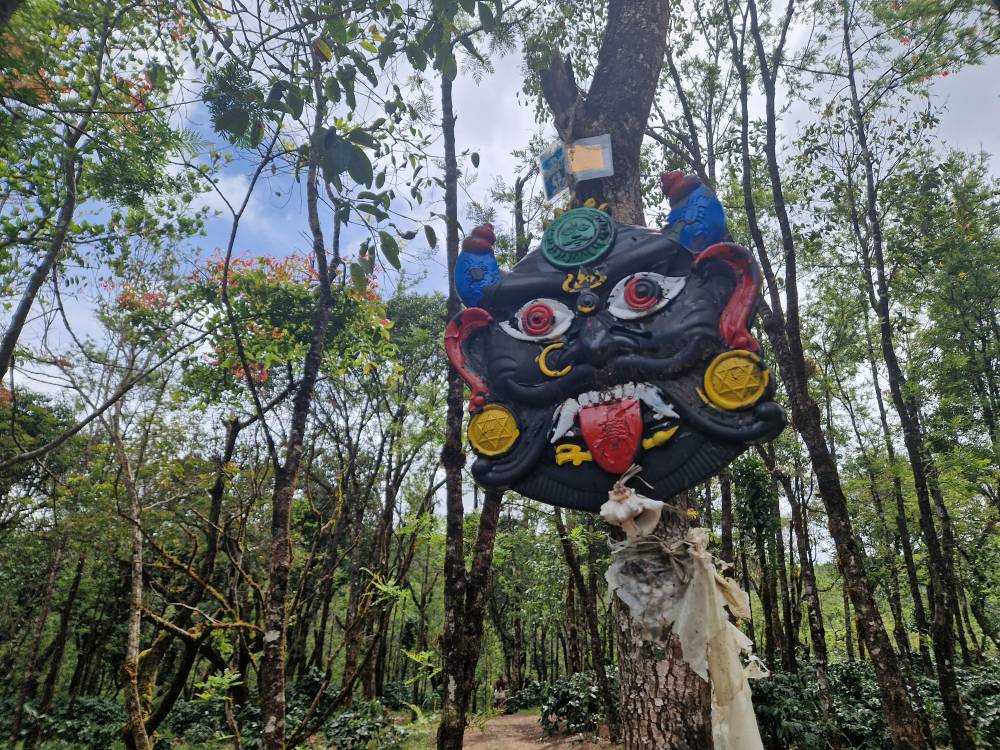
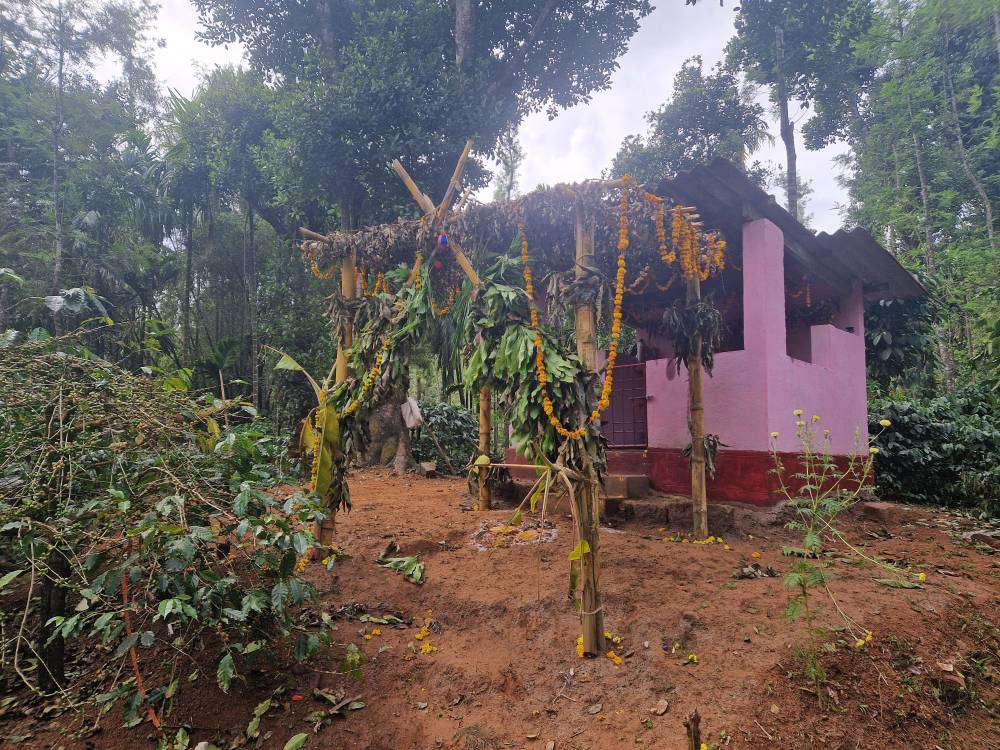
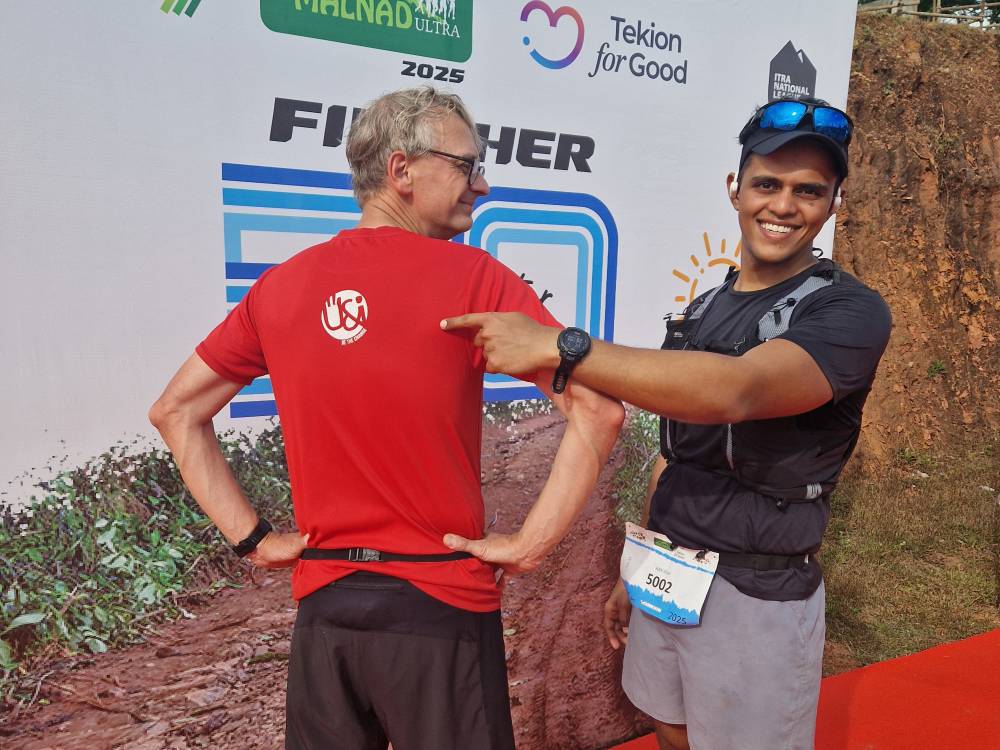
Of course, as everywhere in India, there are also a few spiritual landmarks – that is, small shrines and masks – intended to keep evil at bay in the woods. Not as spectacular as in some parts of northern India, but interesting nonetheless. Incidentally, this time I ran wearing a t-shirt from a local voluntary organisation (U&I, which provides mentoring for pupils from educationally disadvantaged families), which my company’s Indian branch has recently started supporting. And sure enough, another runner enthusiastically approached me about it, as he had spent a few years there himself working as a volunteer. A lovely thing.
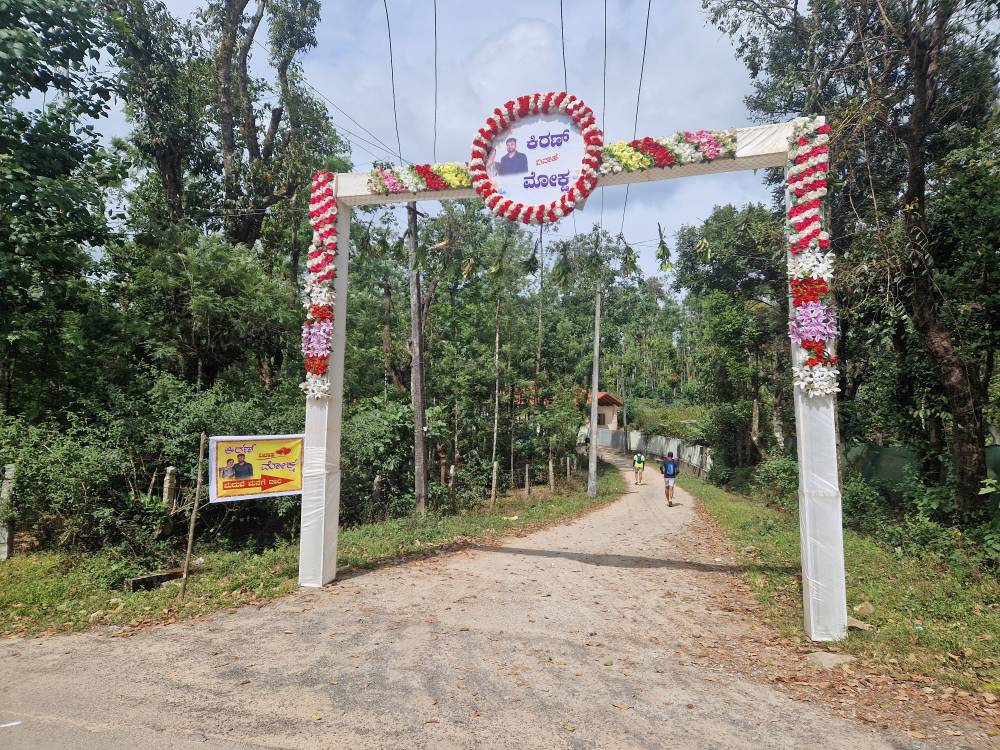
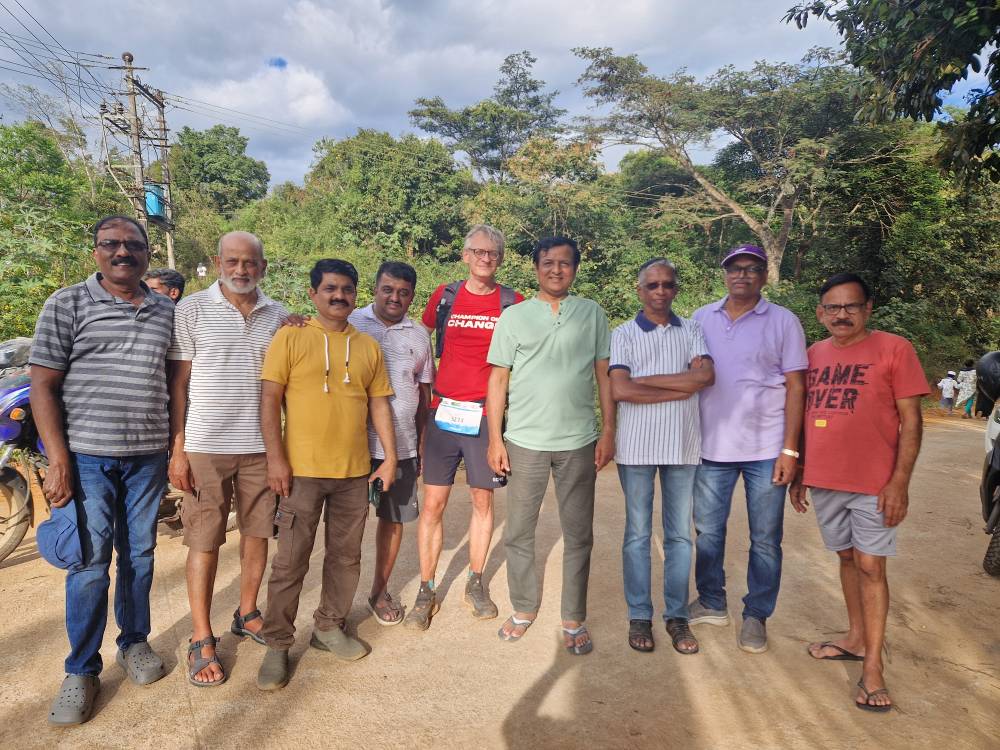
Whilst people along the roadside paid little attention to us runners, at one point a group of middle-aged men were standing there cheering us on with all their might. Naturally, I had to take a photo of them straight away, and they all absolutely insisted on being in it. They were back at the finish line, so we even managed to take a group photo. At first I thought they might be drivers waiting for someone, but in reality they were some of the estate owners who had opened up their private tracks to the runners and clearly recognised the value of the event for the region – or simply found it exciting. Many of them have built small bungalow-style houses on their estates as homestays, where the runners – and sometimes other nature enthusiasts – can stay overnight, so that local tourism is growing, even if slowly.
One situation in particular sticks in my memory: on the steepest section, a rather inexperienced runner got a cramp in his calf and lay down by the side of the path. The next ten runners immediately stopped to help him stretch, offer him electrolytes and give him impressively professional advice on running psychology. As I said, it was the steepest section. And even though the route was mainly downhill from there, there were still over 15 km to go. It was a truly impressive display of mutual support.
Incidentally, the weather isn’t nearly as stable as you might think during the heat of the day. Late in the evening, whilst a few long-distance runners were still on the course, there was a fairly heavy rain shower, which is likely to have made some of the paths muddy and also caused a significant drop in temperature. So it’s always a good idea to have a suitable item of clothing with you, just in case.
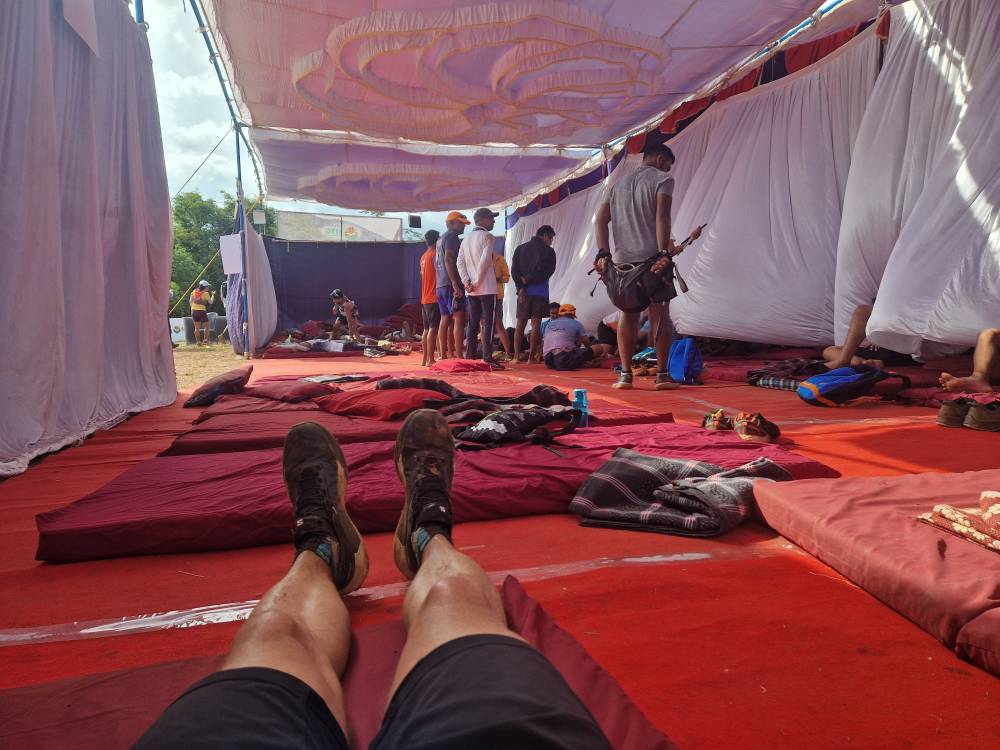
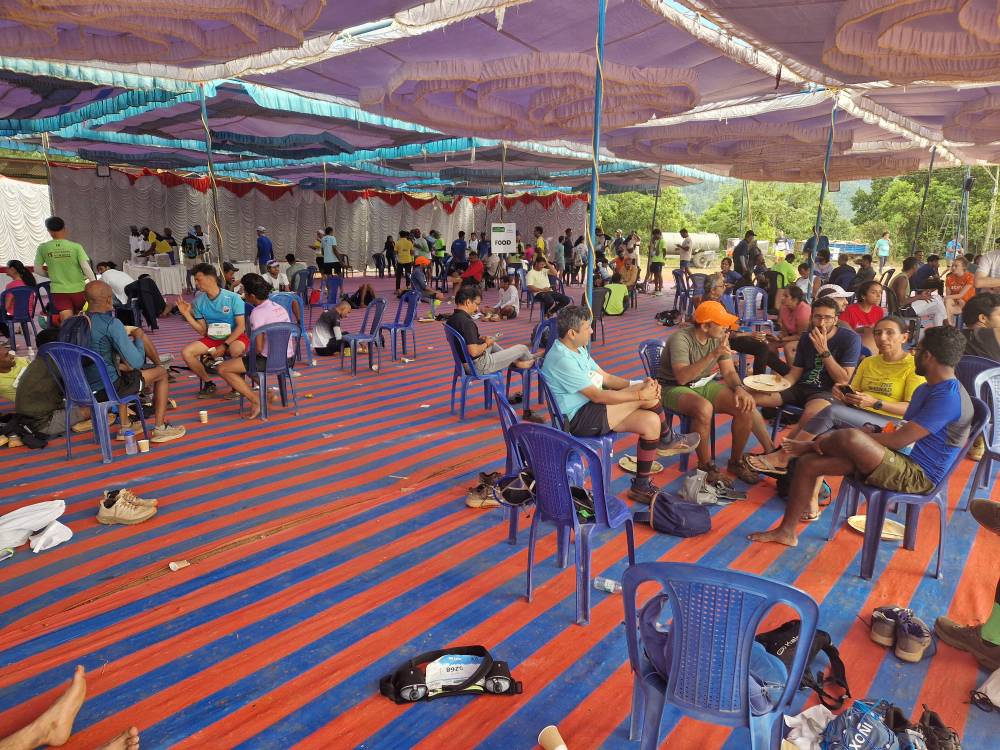
At the finish line, as well as food and medical care, there’s something else really brilliant: a relaxation room. A tent with mattresses and pillows, just for winding down. Not many people make use of it, but it’s really top-notch, especially if, like me, you’ve got plenty of time.
The race is one of six ultra-trails organised by the same organiser in south-west India in November/December. It’s really worth it, if it suits your personal circumstances, to travel to India once, and if you’re already there, you should definitely take part in a trail run. Incidentally, about a dozen European participants did just that, plus a few from neighbouring Asian countries. Incidentally, the Dutchman Frank Meiland came third in the 50 km race, so it wasn’t just recreational runners like me from abroad taking part, but some really good athletes too.
As the race takes place on a Saturday, you still have time on Sunday to join the sunrise safari in the nearby Bhadra Tiger Reserve. Like most visitors, I didn’t see any tigers, but it’s definitely an exciting experience.
An overview of the four races:
Distance [km] | Elevation gain [m] | Finishers | Best time [h] | Median time [h] |
30 | 951 | 539 | 2:50 | 4:47 |
50 day | 1,705 | 317 | 4:53 | 8:21 |
50 night | 1,705 | 43 | 5:52 | 9:51 |
100 | 3,410 | 79 | 9:58 | 18:40 |